




The yogis have always explained that we are more than just the physical body. Some traditions describe three bodies, dimensions or sheaths: gross, subtle and causal. Other traditions describe five such dimensions (koshas) of the human being. There is the gross physical body (annamaya kosha) which we usually identify with and can perceive with the senses. Pervading this entire physical structure is the energy field or dimension (pranamaya kosha). The vital energy (prana) in the pranamaya kosha is responsible for all the physical functions and movement. It nourishes the biological organs and systems of the body and when there is the correct quantity and quality of prana, the physical body is vital and healthy. 

Prana is also required for the mental body (manomaya kosha) to function and be alert and clear. So, understanding the level of prana and managing it in our system is essential, and this can be done through the techniques of pranayama. 

The other 2 even subtler bodies are the psychic body (vijananmaya kosha) and the bliss body (anandamaya kosha), which also require prana to manifest. 

What Is Pranayama and How Does It Work? 

Since the air we breathe is a vehicle of prana, breathing is one of the main ways to regulate our energy. Breathing practices are an important aid to sensitise us to the lungs and the entire respiratory process. 

Pranayama practices also comprise different breathing techniques, but they are more than just breathing exercises. Pranayama works directly with the subtle energy (pranic) dimension of our being and helps to increase, modulate and balance all the fine and major pranic flows in the pranamaya kosha. 

What Are the Benefits of Pranayama? 

Pranayama is a means to increase the frequency of a certain amount of energy in our system. This generates heat or creative force, which in turn influences all the existing quanta of prana in the system. In this way, the overall energy and vitality in all layers, or sheaths, of our being are increased. 

The body-energy-mind aspects are intimately connected. One could even say that the physical body is a grosser manifestation or extension of the energy-mind complex. Practices that improve pranic flow, benefit the physical body and mental state. There are even practices to heal areas of the body that are deficient or have energy blocks. 

Supports Brain Function 

Pranayama can be used to support the physical body by introducing more oxygen into the bloodstream and renewing the air in the lungs. Furthermore, these techniques increase the flow of oxygen to the brain and can direct more prana to specific areas of the brain, for example Kapalbhati Pranayama effects the frontal lobes. 

Strengthens the Immune System 

Pranayama increases the vitality of all the cells and body systems, making them less vulnerable to degeneration and illness. There are also practices that directly activate and tone the thymus gland behind the sternum, which is responsible for the production of T-cells, which play a major role in the overall immune capability of our organism. For example, thoracic breathing and gently tapping the area over the thymus gland. 

Detoxifies the Body 

Pranayama practices enhance the process of gas exchange in the lungs and between the cells, creating an oxygen rich environment inside the body, expelling carbon dioxide and old stagnant air from the lungs. This generally invigorates and cleanses the organism at the basic cellular level. Better functioning and healthier cells enable all the 

organs to perform their respective tasks, including the liver and kidneys. There are also practices that directly influence these organs, for example, deep abdominal breathing and full yogic breathing. 

Another essential benefit of pranayama is that is regulates the function of the autonomic nervous system. Most of us are in a chronic sympathetic mode, i.e., activation and readiness for fight or flight. Digestion, elimination and detoxification, however, occur during periods of parasympathetic dominance i.e., rest, recover and regeneration mode. There are pranayama practices to specifically increase parasympathetic dominance, and also to balance the overall functioning of the autonomic nervous system e.g. full yogic breathing and Nadi Shoddhan pranayama. 

Mental benefits 

For the mental level, there are different pranayama practices which can: 

energise the mind, to counteract sleepiness, dullness and depression. For example, Bhastrika Pranayama. 

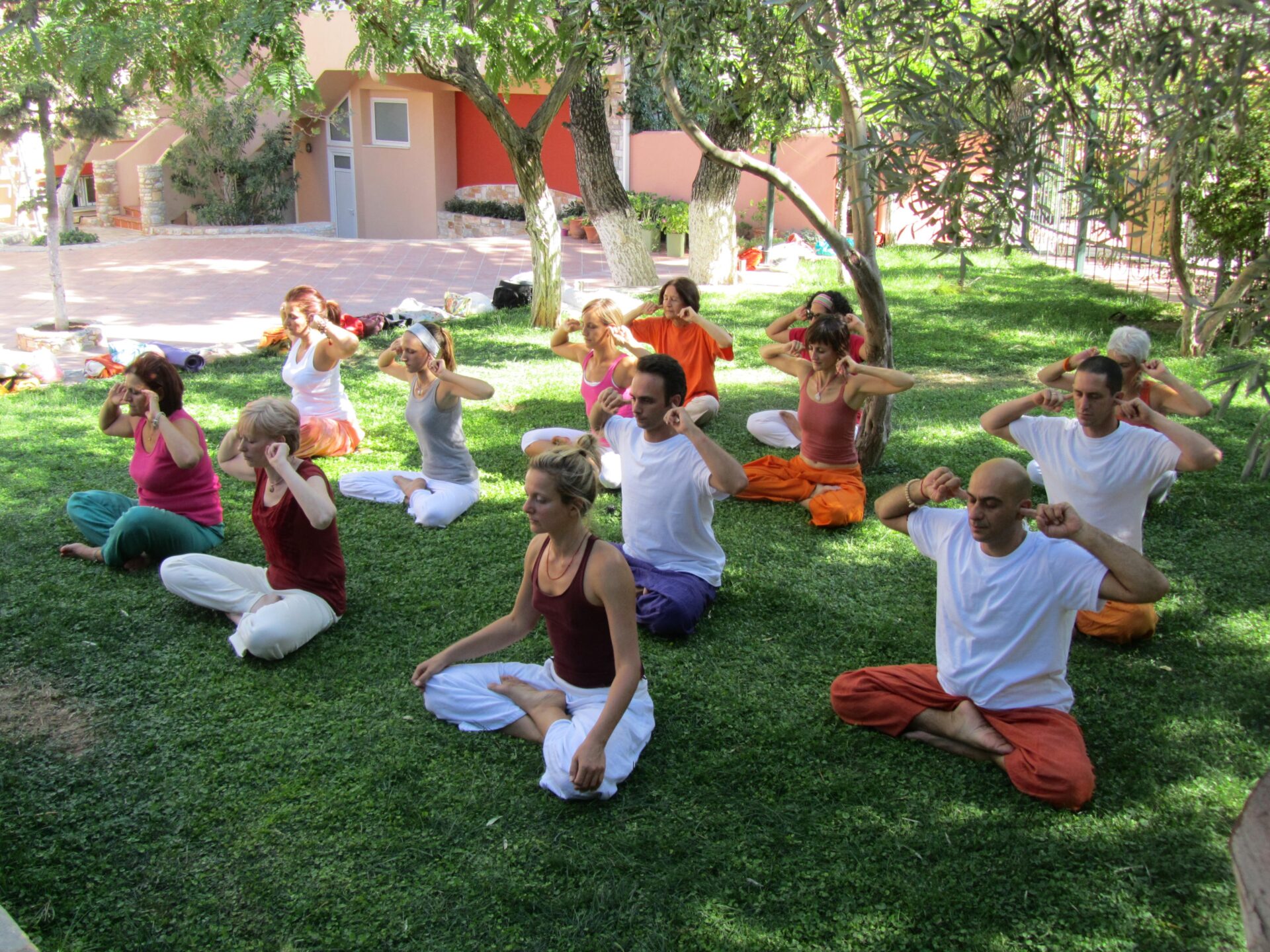
calm the mind, to counteract stress, anxiety and mental agitation. For example, Bhramari Pranayama. 

create a balanced mental state characterised by clarity, calm alertness and improved focus. For example, Nadi Shoddhan pranayama. 

Enhances Sleep Quality 

Sleep quality is a vital aspect of our overall health and well-being. The ability to fall asleep and get sufficient rest for the mind-body system to recuperate depends on many factors, such as chemical – hormonal secretions (melatonin to induce sleep) and mental state. As mentioned above, there are pranayama practices to induce a relaxed state of mind, in preparation for sleep and, for the yogi, deep meditation. 

Promotes Emotional Stability 

Our emotional state is a complex synthesis of the state of our physical body, nervous system, energy levels and mental state. A lot of emotional tension is stored in the diaphragm, stomach, heart and neck areas. Working with the breath consciously, sensitises us to these areas and progressively releases the emotional charge. In this way, and also working on a deeper level, pranayama practices modulate and integrate all the factors that contribute to emotional imbalance and reactivity. They help to moderate the destructive emotions (anger, fear, attachment, insecurity) and elevate the constructive ones (joy, contentment, adaptability, tranquility). 

Supports Spiritual Awakening 

Working with the breath, which is always happening in the Now, increases our awareness of the present moment, and helps the practitioner transcend the mundane workings of the mind. Pranayama is almost always an essential preparation for meditation, as it creates the most suitable conditions for the body and mind to open up to Consciousness. 

How Often Should You Practice Pranayama? 

Purposeful breathing and pranayama can be practiced on a daily basis. There are so many different techniques. One can start with encouraging breathing through the nostrils, (not the mouth), and then depending on the need or aim, include the appropriate practices in their daily routine. It is always good to consult a yoga teacher, to avoid strain on the lungs and the respiratory system. 

satyananda yoga logo

Satyanandashram Hellas

Alithias 1, 19002 Paiania, Greece

PO Box 22, 19002 Paiania, Greece

+306947009660

info@satyanandayoga.gr

Paiania Meditation Center

Dimarchou Iona Vore (former Diadochou Konstantinou) 32, 19002 Paiania

+30 210 6641545, 695 6482415

sycp@satyanandayoga.gr

Athens Meditation Center

Simetelou 2, 115 28, Athens

210 3311178, 694 2974467

syca@satyanandayoga.gr

Thessaloniki Meditation Center

Proxenou Koromila 1, 54623 Thessaloniki

+30 2310 283109

sycs@satyanandayoga.gr

The trademark Satyanandashram Hellas CENTER OF YOGA® is a trademark owned by Satyanandashram Hellas, Greece and used with permission.
The term SATYANANDA YOGA® is a trademark owned by IYFM and used with permission.
Satyananda Yoga Nidra® is a registered trademark of IYFM used with permission.

How you can be part of this beautiful community of service

You are welcome to come and unite in our efforts to help us accomplish our aims and goals. Our association needs people who are ready to offer their hearts, their skills and ideas as well as monetary contributions, and to integrate their ‘head, heart and hands’ in service.

If you consider the needs of others, we need you.
If you have a generous heart, we need you.
Ιf you have large hands, we need you.
If you have bright ideas, we need you.

Your contributions allow us to reach out to more and more people. Your contributions enable us to support and work towards the fulfilment of the vision of Swami Satyananda, Swami Niranjanananda and their lineage  that of peace and prosperity for all humankind.

X

7 Health and Mental Benefits of Pranayama

The yogis have always explained that we are more than just the physical body. Some traditions describe three bodies, dimensions or sheaths: gross, subtle and causal. Other traditions describe five such dimensions (koshas) of the human being. There is the gross physical body (annamaya kosha) which we usually identify with and can perceive with the senses. Pervading this entire physical structure is the energy field or dimension (pranamaya kosha). The vital energy (prana) in the pranamaya kosha is responsible for all the physical functions and movement. It nourishes the biological organs and systems of the body and when there is the correct quantity and quality of prana, the physical body is vital and healthy. 

Prana is also required for the mental body (manomaya kosha) to function and be alert and clear. So, understanding the level of prana and managing it in our system is essential, and this can be done through the techniques of pranayama. 

The other 2 even subtler bodies are the psychic body (vijananmaya kosha) and the bliss body (anandamaya kosha), which also require prana to manifest. 

What Is Pranayama and How Does It Work? 

Since the air we breathe is a vehicle of prana, breathing is one of the main ways to regulate our energy. Breathing practices are an important aid to sensitise us to the lungs and the entire respiratory process. 

Pranayama practices also comprise different breathing techniques, but they are more than just breathing exercises. Pranayama works directly with the subtle energy (pranic) dimension of our being and helps to increase, modulate and balance all the fine and major pranic flows in the pranamaya kosha. 

What Are the Benefits of Pranayama? 

Pranayama is a means to increase the frequency of a certain amount of energy in our system. This generates heat or creative force, which in turn influences all the existing quanta of prana in the system. In this way, the overall energy and vitality in all layers, or sheaths, of our being are increased. 

The body-energy-mind aspects are intimately connected. One could even say that the physical body is a grosser manifestation or extension of the energy-mind complex. Practices that improve pranic flow, benefit the physical body and mental state. There are even practices to heal areas of the body that are deficient or have energy blocks. 

Supports Brain Function 

Pranayama can be used to support the physical body by introducing more oxygen into the bloodstream and renewing the air in the lungs. Furthermore, these techniques increase the flow of oxygen to the brain and can direct more prana to specific areas of the brain, for example Kapalbhati Pranayama effects the frontal lobes. 

Strengthens the Immune System 

Pranayama increases the vitality of all the cells and body systems, making them less vulnerable to degeneration and illness. There are also practices that directly activate and tone the thymus gland behind the sternum, which is responsible for the production of T-cells, which play a major role in the overall immune capability of our organism. For example, thoracic breathing and gently tapping the area over the thymus gland. 

Detoxifies the Body 

Pranayama practices enhance the process of gas exchange in the lungs and between the cells, creating an oxygen rich environment inside the body, expelling carbon dioxide and old stagnant air from the lungs. This generally invigorates and cleanses the organism at the basic cellular level. Better functioning and healthier cells enable all the 

organs to perform their respective tasks, including the liver and kidneys. There are also practices that directly influence these organs, for example, deep abdominal breathing and full yogic breathing. 

Another essential benefit of pranayama is that is regulates the function of the autonomic nervous system. Most of us are in a chronic sympathetic mode, i.e., activation and readiness for fight or flight. Digestion, elimination and detoxification, however, occur during periods of parasympathetic dominance i.e., rest, recover and regeneration mode. There are pranayama practices to specifically increase parasympathetic dominance, and also to balance the overall functioning of the autonomic nervous system e.g. full yogic breathing and Nadi Shoddhan pranayama. 

Mental benefits 

For the mental level, there are different pranayama practices which can: 

- energise the mind, to counteract sleepiness, dullness and depression. For example, Bhastrika Pranayama. 

- calm the mind, to counteract stress, anxiety and mental agitation. For example, Bhramari Pranayama. 

- create a balanced mental state characterised by clarity, calm alertness and improved focus. For example, Nadi Shoddhan pranayama. 

Enhances Sleep Quality 

Sleep quality is a vital aspect of our overall health and well-being. The ability to fall asleep and get sufficient rest for the mind-body system to recuperate depends on many factors, such as chemical – hormonal secretions (melatonin to induce sleep) and mental state. As mentioned above, there are pranayama practices to induce a relaxed state of mind, in preparation for sleep and, for the yogi, deep meditation. 

Promotes Emotional Stability 

Our emotional state is a complex synthesis of the state of our physical body, nervous system, energy levels and mental state. A lot of emotional tension is stored in the diaphragm, stomach, heart and neck areas. Working with the breath consciously, sensitises us to these areas and progressively releases the emotional charge. In this way, and also working on a deeper level, pranayama practices modulate and integrate all the factors that contribute to emotional imbalance and reactivity. They help to moderate the destructive emotions (anger, fear, attachment, insecurity) and elevate the constructive ones (joy, contentment, adaptability, tranquility). 

Supports Spiritual Awakening 

Working with the breath, which is always happening in the Now, increases our awareness of the present moment, and helps the practitioner transcend the mundane workings of the mind. Pranayama is almost always an essential preparation for meditation, as it creates the most suitable conditions for the body and mind to open up to Consciousness. 

How Often Should You Practice Pranayama? 

Purposeful breathing and pranayama can be practiced on a daily basis. There are so many different techniques. One can start with encouraging breathing through the nostrils, (not the mouth), and then depending on the need or aim, include the appropriate practices in their daily routine. It is always good to consult a yoga teacher, to avoid strain on the lungs and the respiratory system.