







Interested in the countless benefits of Kundalini yoga? Learn more about the yoga practice and what Kundalini yoga is in our article. Read more here!
What is Kundalini shakti?
Kundalini shakti or the serpent power, (often depicted as a coiled sleeping snake), is the dormant potential force in the human being that lies at the bottom of the spinal column on the physical body, and at mooladhara (root) chakra on the energy body. When this sleeping force is awakened, there is an "explosion" in the brain so to speak, and the silent areas of the brain also awaken. For the awakening of kundalini, a systematic process of yoga techniques is necessary incorporating asanas, pranayama, meditation and kriyas[1].
What is Kundalini yoga?
Kundalini yoga is part of Tantra. Tantra is the most ancient universal science and culture which has dealt with the transition of human nature from one's present level of evolution and understanding to a transcendental level of knowledge, experience and awareness[2]. At the beginning of civilization, the tantrics made one of the greatest discoveries; within our physical body there is a dormant potential force called kundalini. These ancient sages devised systematic practices to prepare the body and mind for the awakening of this supernatural force. Once awakened, kundalini begins to rise through the sushumna nadi (central energy channel), activating the chakras one by one, clearing blockages and harmonizing the subtle energy system,
[1] Kriyas are a specific sequence of postures, breathing patterns, and sounds with a targeted effect strengthening the nervous system, balancing emotions, cleansing the energy channels (nadis) and purifying and awakening the chakras in preparation for kundalini awakening.
[2] Sanskrit Glossary of Yogic Terms, Yoga Publication Trust, Munger, 2007, p. 185
supporting both spiritual growth and daily wellbeing. The results are astounding, and for this reason so many people endeavor to awaken kundalini shakti.
Kundalini yoga: Benefits
Some of the benefits experienced by those who have awakened their kundalini are:
- Physical changes: the cells in the body are completely charged and a process of rejuvenation begins.
- Purification: old emotional patterns, traumas, or blockages may surface to be released.
- Chakra activation: Each chakra may “open up,” bringing its qualities—creativity, compassion, communication, intuition, and higher states of consciousness.
- Mystical experiences: People may experience changes in mood, perception, or consciousness.
- Increased awareness: one has a sense of expanded consciousness, heightened intuition, and spiritual clarity.
- Union: Ultimately, kundalini awakening is said to lead toward self-realization or union with the universal consciousness, also known as the state of samadhi.
Stimulates creativity
Creativity is one of the most celebrated effects of kundalini yoga. In yogic philosophy, creativity isn’t just about making art — it’s about the free flow of life force (prana) and expression through body, mind, and spirit. Kundalini yoga works with the chakras, and it is through the activation of the sacral chakra (swadhisthana), located below the navel that is associated with creativity, sexuality, pleasure, and fluidity. Kundalini practices — especially pelvic movements, hip-openers, and breathwork — release stagnant energy here. When energy flows freely through this chakra, people often feel more inspired, expressive, and playful.
As the aroused kundalini moves through each chakra opening it up, consciousness is expanded allowing for innovative perspectives, new patterns of thought, and spontaneous insight.
Balances the chakras
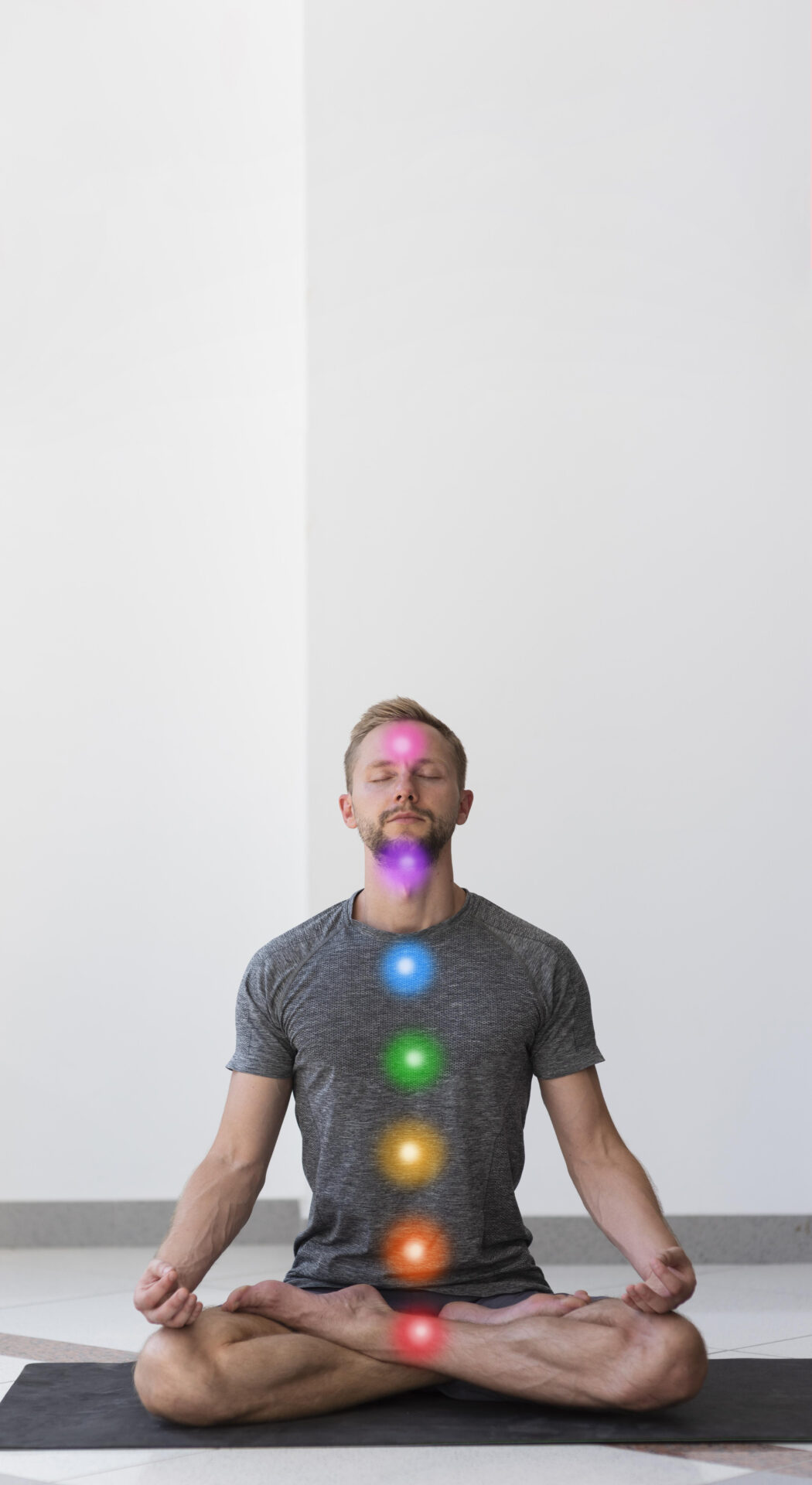
One of the core purposes of kundalini yoga is to bring the chakras into balance so that energy flows freely through the sushumna nadi (central channel). Each chakra corresponds to physical, emotional, and spiritual aspects of life, and kundalini practices are designed to stimulate, clear, and harmonize these centers. As kundalini energy awakens at the root (mooladhara) and ascends through the chakras, it naturally “pushes through” imbalances. This process purifies each chakra in turn, and the corresponding blockages melt away: survival fears (mooladhara - at the root), emotional blocks (swadhishtana - at the sacral), ego struggles (manipura - at the solar plexus), grief (anahata - at the heart), communication blockages (vishuddhi - at the throat), and confusion (ajna – at the third eye).
When the chakras have been balanced, energy flows smoothly to the crown chakra, leading to expanded consciousness.
Improves focus
Kundalini Yoga involves kriyas (specific practices) that include rapid breathwork (agnisar kriya) and dynamic movements resulting in balancing the sympathetic and parasympathetic nervous systems, and thus clearing stress and mental fog. Also, other practices stimulate ajna chakra (the third eye) — such as meditation, mantra chanting, and eye-focused techniques — which enhance intuition and mental clarity.
Deepens self-awareness
Kundalini Yoga is often described as the "yoga of awareness." The practices gradually shift awareness from the outer layers of identity (body, mind, emotions) to the deeper layers of being.
Awareness of the Body
- Through asanas and kriyas, you become more sensitive to posture, tension, and energy flow. This builds a foundation of embodied awareness—you notice how physical habits also influence your state of mind.
Awareness of Energy (Prana)
- Breathwork (pranayama) awakens perception of the subtle energy currents and you begin to notice how emotions, thoughts, and even environments affect your vitality.
This leads to greater self-regulation — in fact, through this expanded awareness, you are able to shift your state consciously.
Awareness of the Mind
- Mantra and meditation practices reveal the constant movement of thoughts. With practice, you learn to witness the mind rather than be caught in it. This develops mental clarity and detachment. You become the witness rather than identifying with the mind-stuff; this is a key aspect of self-awareness.
Awareness of Inner Patterns (Samskaras)
- As the chakras are purified, stored impressions and unresolved emotions are activated. These surface into awareness, giving opportunities for their release. Also, you become much more aware of subconscious patterns that shape your behavior, relationships, and worldview.
Awareness of the Self (Atman)
- At higher stages, awareness turns inward toward the source of consciousness itself. The sense of “I am this body, senses and mind” gives way to a deeper recognition: “I am the witness, I am beyond the body-mind and senses, I am the Atman, the True Self.” This is where self-realization begins to unfold.
In essence, kundalini yoga deepens self-awareness because it’s a systematic unveiling—from physical to energetic to mental to spiritual layers. Each layer you penetrate brings you closer to your true nature.
Kundalini yoga: Training step-by-step
Unlike other yoga traditions that emphasize gradual physical mastery, Kundalini Yoga is more structured around specific kriyas (sets of practices) designed for energetic effects. It combines physical postures (asanas), breathwork (pranayama), sound (mantra), and meditation to awaken kundalini energy .
After Paramahamsa Yogananda, who revived and spread Kriya Yoga globally in the 19th-century, Sri Swami Satyanada Saraswati systematized kriya yoga (known as Satyananda Kriya Yoga). Students came from all over the world to take part in his courses at the Bihar School of Yoga in Munger, India, and later he popularized it abroad during his travels. His seminal work on the kriyas and tantra can be read in the most comprehensive text ever published, titled: A Systematic Course in ancient Tantric Techniques of Yoga and Kriya.
Sri Swami Satyananda emphasized that "without a guru you can practice any form of yoga, but not kundalini." [1]
In the Satyananda System of Yoga, kundalini yoga is an important branch, and it is practiced throughout the year at the Satyananda Yoga Centres by certified teachers as well as at the ashram in Paiania. The lessons focus on cleansing the nadis (energy channels) and deepening one's knowledge of the chakras through practicing and mastering certain asanas, pranayama, mudras and bandhas, relaxation practices and meditation techniques.
A typical lesson comprises
- the chanting of mantras
- asanas that involve gentle stretches and spinal movements to prepare the body and nervous system
- pranayama techniques
- relaxation practices
- meditation techniques including mantra chanting, breath focus, or visualization aimed to calm the mind and expand awareness, as well as techniques aimed at becoming familiar with each chakra and its location.
The course is completed with a short stay at Satyanandashram in Greece, where certain kriyas are taught and instructed by Swamis with over 40 years of experience in kundalini yoga.
The awakening of kundalini energy is said to be transformative but can also be destabilizing if rushed, and for this reason practitioners have continual and direct contact with the ashram and its teachers for any queries or advice they may have after completing the course.
A Kundalini Yoga Kriya seminar is being run in November. Visit the link below
https//satyanandayoga.carrottechlab.net/en/events/kriya-yoga-tattwa-shuddhi-seminar/
For more information about courses contact the ashram via email: info@satyanandayoga.gr
[1] Swami Satyananda Saraswati, Kundalini Tantra, Bihar School of Yoga, Munger, 1996. p.40