




Satyananda Yoga is a unique and holistic system of yoga created by Sri Swami Satyananda Saraswati. It is more than a physical practice; it integrates postures, breathwork, meditation, relaxation, and yogic lifestyle principles. The goal is harmony across body, mind, emotions, and spirit. Below, we explore some of the most common questions about Satyananda Yoga and how it can transform your well-being. 


What is Satyananda Yoga and How Can it Transform Your Well-Being? 

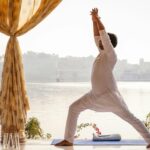
Satyananda Yoga is a comprehensive system of yoga that brings together physical postures (asana), breathing practices (pranayama), meditation, yoga nidra (deep relaxation), mantra, and yogic lifestyle principles. That which is emphasized is awareness and balance in daily life. The system aims to promote health, peace of mind, and deeper self-understanding. Unlike purely physical yoga styles, it seeks to harmonize body, mind, emotions, and spirit. 


Why is it Called Satyananda Yoga? 

This tradition was created by the world-renowned master Sri Swami Satyananda Saraswati to make yoga’s healing and transformative power accessible to all. Rooted in ancient philosophies such as Tantra, Vedanta, and Samkhya, it was developed with the vision that yoga would become a vital need for modern society. Sri Swami Satyananda taught all the major branches of yoga—hatha (physical), raja (mental), bhakti (emotional), jnana (self-enquiry), and karma (action)—as well as esoteric practices like kriya yoga, kundalini yoga, and mantra yoga. Satyananda Yoga integrates these diverse traditions into one holistic path, enabling practitioners to restructure every aspect of life in ways conducive to spiritual growth. 


What Makes Satyananda Yoga Different from Other Yoga Styles? 

While many yoga styles today emphasize fitness, flexibility, or stress relief, Satyananda Yoga takes a broader approach. It combines physical, mental, emotional, and spiritual practices into one system. A typical class includes asana, pranayama, meditation, and yoga nidra. Classes are guided primarily by verbal instruction, with minimal demonstration, so students can keep their eyes closed and focus inward. This approach fosters self-awareness, internalization of practices, and avoids competition or comparison. Satyananda Yoga is non-political and non-religious, offering tools for health, peace of mind, and inspiration. It is suitable for people of all ages, backgrounds, and fitness levels. 


How Does Satyananda Yoga Support Overall Well-Being and Balance? 

Satyananda Yoga nurtures a sense of wholeness by balancing body, mind, and emotions. Postures strengthen and stretch the body, breathing practices energize and calm the nervous system, and meditation reduces restlessness, bringing inner peace. Through awareness, practitioners learn to observe thoughts and emotions without judgment, developing clarity and resilience. This integration creates harmony in work, relationships, and personal life, helping people manage stress more effectively and live with balance. 


What Can You Expect When Visiting a Satyananda Yoga Centre? 

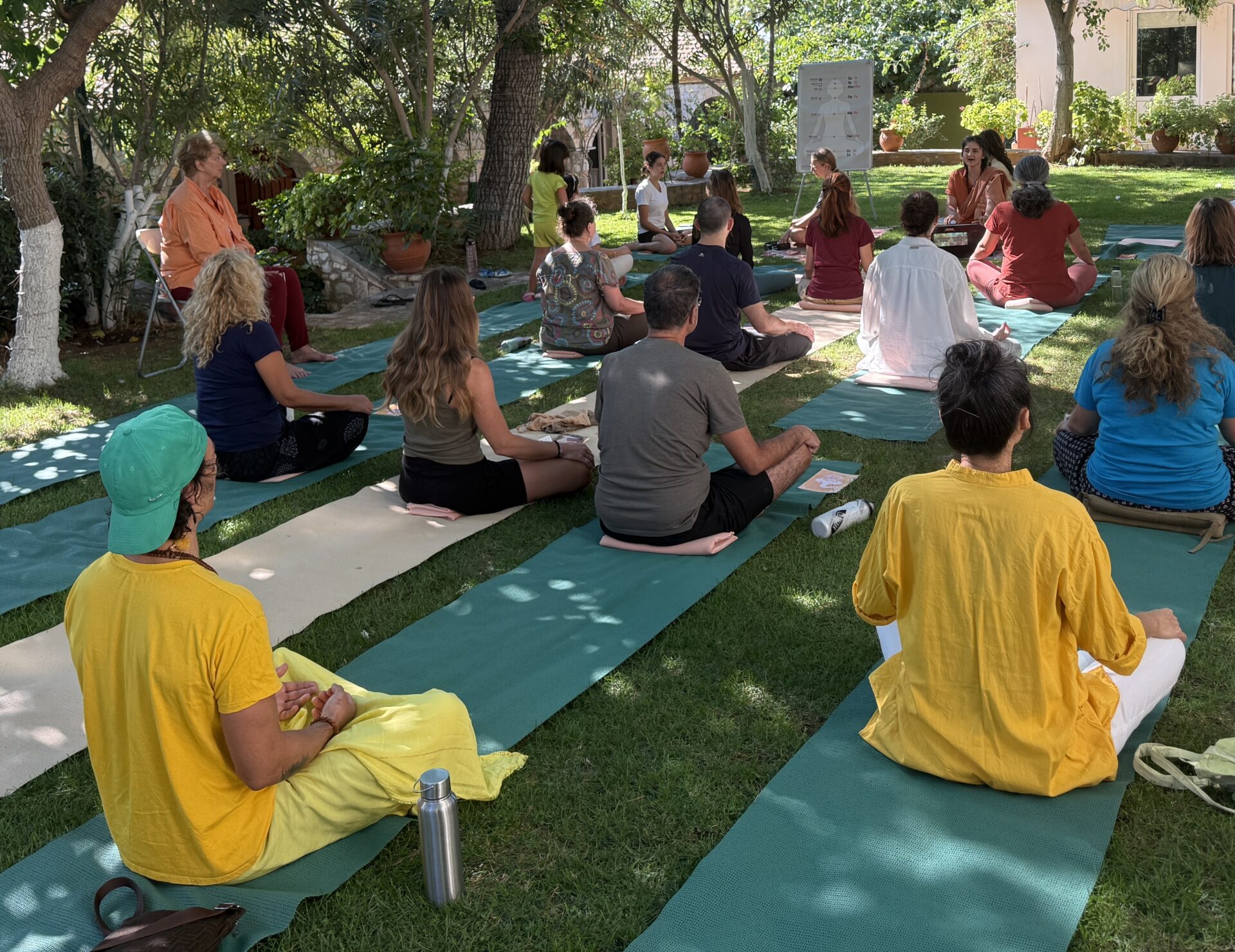
A Satyananda Yoga Centre is more than a place for classes—it is a living environment where yoga is practiced as a lifestyle. Visitors can join group asana and meditation classes, philosophy and yoga psychology sessions, chanting, and in some centres, traditional fire ceremonies (havan). Centres also emphasize seva (selfless service), which may include community outreach programs to support those in need. The atmosphere encourages simplicity, reflection, and connection. Whether a beginner or an experienced practitioner, visitors find an environment that nurtures growth and awareness. 


How Can Training at Satyananda Yoga Academy Transform Your Life? 

The Satyananda Yoga Academy provides structured training for those wishing to deepen their practice or become teachers. Education goes beyond techniques to include philosophy, psychology, and practical application in daily life. Students often experience personal transformation—greater discipline, emotional balance, resilience, and a stronger sense of purpose. Training emphasizes self-development as well as teaching skills, preparing students to guide others while living more consciously themselves. There is a Satyananda Yoga Academy in Europe where one can pursue such training. Visit the link below for more information: 

https://syae.eu/ 


Why Are Certified Satyananda Yoga Teachers Important for Guidance? 

Certified teachers undergo rigorous training in practical skills, theory, and personal growth. They are equipped to adapt practices safely for individual needs, ensuring a student’s progress without strain or injury. Beyond teaching techniques, certified teachers provide mentorship, encouragement, and inspiration. They uphold the integrity of Satyananda Yoga, guiding students in integrating yoga into everyday life. 


How Do Meditation and Breathing Fit into Satyananda Yoga Practice? 

Meditation and pranayama are essential pillars of Satyananda Yoga. Breathing practices enhance vitality, balance the nervous system, and prepare the mind for meditation. Techniques such as antar mouna (inner silence) and ajapa japa (mantra with breath awareness) gradually develop focus and clarity. These practices are accessible to beginners and deepen over time, bringing calm, energy, and stability. 


What Are the Benefits of Daily Practice at a Satyananda Yoga Centre or Ashram? 

Consistency is key to yoga. Daily practice strengthens the body, balances emotions, and quiets the mind. A supportive community of practitioners provides motivation and encouragement. Many notice reduced stress, better sleep, improved concentration, and inner peace. 

In an ashram environment, the benefits go even deeper. Structured routines create discipline and space for reflection, while simple living supports clarity. Immersion in ashram life allows practitioners to grow more quickly, reconnect with themselves, and experience lasting balance. 


What is an Ashram? 

An ashram is a place designed for spiritual growth, self-discipline, and inner transformation, where people live simply and practice yoga as a way of life. Human nature often tends to fall into tamasic qualities such as inertia, laziness, ignorance, and mental darkness, which keep one bound to limitation and dissatisfaction. Recognizing this, the ancient rishis and sages established ashrams as environments where these tendencies could be transformed into clarity, purpose, and higher awareness, laying the foundation for an ideal society. There is a Satyanandashram at the foothills of Mt. Hymettus outside Athens. 


How Can Beginners Start Their Journey with Satyananda Yoga? 

Getting started is simple. Beginners can attend introductory classes at a centre, where experienced teachers provide step-by-step guidance. Basic postures, breathing practices, and relaxation techniques can also be practiced at home. Reading introductory texts or joining beginner’s retreats in an ashram adds further inspiration. The most important step is to begin with openness, patience, and consistency. Satyananda Yoga is a lifelong path to health, balance, and self-discovery. 

 Satyananda Yoga is not just a set of techniques—it is a way of life. Whether you begin with a single class, spend time in an ashram, or pursue teacher training, this path offers tools for awareness, harmony, and transformation. 

satyananda yoga logo

Satyanandashram Hellas

Alithias 1, 19002 Paiania, Greece

PO Box 22, 19002 Paiania, Greece

+306947009660

info@satyanandayoga.gr

Paiania Meditation Center

Dimarchou Iona Vore (former Diadochou Konstantinou) 32, 19002 Paiania

+30 210 6641545, 695 6482415

sycp@satyanandayoga.gr

Athens Meditation Center

Simetelou 2, 115 28, Athens

210 3311178, 694 2974467

syca@satyanandayoga.gr

Thessaloniki Meditation Center

Proxenou Koromila 1, 54623 Thessaloniki

+30 2310 283109

sycs@satyanandayoga.gr

The trademark Satyanandashram Hellas CENTER OF YOGA® is a trademark owned by Satyanandashram Hellas, Greece and used with permission.
The term SATYANANDA YOGA® is a trademark owned by IYFM and used with permission.
Satyananda Yoga Nidra® is a registered trademark of IYFM used with permission.

How you can be part of this beautiful community of service

You are welcome to come and unite in our efforts to help us accomplish our aims and goals. Our association needs people who are ready to offer their hearts, their skills and ideas as well as monetary contributions, and to integrate their ‘head, heart and hands’ in service.

If you consider the needs of others, we need you.
If you have a generous heart, we need you.
Ιf you have large hands, we need you.
If you have bright ideas, we need you.

Your contributions allow us to reach out to more and more people. Your contributions enable us to support and work towards the fulfilment of the vision of Swami Satyananda, Swami Niranjanananda and their lineage  that of peace and prosperity for all humankind.

X

Satyananda Yoga: Questions and Answers for a Path of Balance and Transformation

Satyananda Yoga is a unique and holistic system of yoga created by Sri Swami Satyananda Saraswati. It is more than a physical practice; it integrates postures, breathwork, meditation, relaxation, and yogic lifestyle principles. The goal is harmony across body, mind, emotions, and spirit. Below, we explore some of the most common questions about Satyananda Yoga and how it can transform your well-being. 


What is Satyananda Yoga and How Can it Transform Your Well-Being? 

Satyananda Yoga is a comprehensive system of yoga that brings together physical postures (asana), breathing practices (pranayama), meditation, yoga nidra (deep relaxation), mantra, and yogic lifestyle principles. That which is emphasized is awareness and balance in daily life. The system aims to promote health, peace of mind, and deeper self-understanding. Unlike purely physical yoga styles, it seeks to harmonize body, mind, emotions, and spirit. 


Why is it Called Satyananda Yoga? 

This tradition was created by the world-renowned master Sri Swami Satyananda Saraswati to make yoga’s healing and transformative power accessible to all. Rooted in ancient philosophies such as Tantra, Vedanta, and Samkhya, it was developed with the vision that yoga would become a vital need for modern society. Sri Swami Satyananda taught all the major branches of yoga—hatha (physical), raja (mental), bhakti (emotional), jnana (self-enquiry), and karma (action)—as well as esoteric practices like kriya yoga, kundalini yoga, and mantra yoga. Satyananda Yoga integrates these diverse traditions into one holistic path, enabling practitioners to restructure every aspect of life in ways conducive to spiritual growth. 


What Makes Satyananda Yoga Different from Other Yoga Styles? 

While many yoga styles today emphasize fitness, flexibility, or stress relief, Satyananda Yoga takes a broader approach. It combines physical, mental, emotional, and spiritual practices into one system. A typical class includes asana, pranayama, meditation, and yoga nidra. Classes are guided primarily by verbal instruction, with minimal demonstration, so students can keep their eyes closed and focus inward. This approach fosters self-awareness, internalization of practices, and avoids competition or comparison. Satyananda Yoga is non-political and non-religious, offering tools for health, peace of mind, and inspiration. It is suitable for people of all ages, backgrounds, and fitness levels. 


How Does Satyananda Yoga Support Overall Well-Being and Balance? 

Satyananda Yoga nurtures a sense of wholeness by balancing body, mind, and emotions. Postures strengthen and stretch the body, breathing practices energize and calm the nervous system, and meditation reduces restlessness, bringing inner peace. Through awareness, practitioners learn to observe thoughts and emotions without judgment, developing clarity and resilience. This integration creates harmony in work, relationships, and personal life, helping people manage stress more effectively and live with balance. 


What Can You Expect When Visiting a Satyananda Yoga Centre? 

A Satyananda Yoga Centre is more than a place for classes—it is a living environment where yoga is practiced as a lifestyle. Visitors can join group asana and meditation classes, philosophy and yoga psychology sessions, chanting, and in some centres, traditional fire ceremonies (havan). Centres also emphasize seva (selfless service), which may include community outreach programs to support those in need. The atmosphere encourages simplicity, reflection, and connection. Whether a beginner or an experienced practitioner, visitors find an environment that nurtures growth and awareness. 


How Can Training at Satyananda Yoga Academy Transform Your Life? 

The Satyananda Yoga Academy provides structured training for those wishing to deepen their practice or become teachers. Education goes beyond techniques to include philosophy, psychology, and practical application in daily life. Students often experience personal transformation—greater discipline, emotional balance, resilience, and a stronger sense of purpose. Training emphasizes self-development as well as teaching skills, preparing students to guide others while living more consciously themselves. There is a Satyananda Yoga Academy in Europe where one can pursue such training. Visit the link below for more information: 

https://syae.eu/ 


Why Are Certified Satyananda Yoga Teachers Important for Guidance? 

Certified teachers undergo rigorous training in practical skills, theory, and personal growth. They are equipped to adapt practices safely for individual needs, ensuring a student's progress without strain or injury. Beyond teaching techniques, certified teachers provide mentorship, encouragement, and inspiration. They uphold the integrity of Satyananda Yoga, guiding students in integrating yoga into everyday life. 


How Do Meditation and Breathing Fit into Satyananda Yoga Practice? 

Meditation and pranayama are essential pillars of Satyananda Yoga. Breathing practices enhance vitality, balance the nervous system, and prepare the mind for meditation. Techniques such as antar mouna (inner silence) and ajapa japa (mantra with breath awareness) gradually develop focus and clarity. These practices are accessible to beginners and deepen over time, bringing calm, energy, and stability. 


What Are the Benefits of Daily Practice at a Satyananda Yoga Centre or Ashram? 

Consistency is key to yoga. Daily practice strengthens the body, balances emotions, and quiets the mind. A supportive community of practitioners provides motivation and encouragement. Many notice reduced stress, better sleep, improved concentration, and inner peace. 

In an ashram environment, the benefits go even deeper. Structured routines create discipline and space for reflection, while simple living supports clarity. Immersion in ashram life allows practitioners to grow more quickly, reconnect with themselves, and experience lasting balance. 


What is an Ashram? 

An ashram is a place designed for spiritual growth, self-discipline, and inner transformation, where people live simply and practice yoga as a way of life. Human nature often tends to fall into tamasic qualities such as inertia, laziness, ignorance, and mental darkness, which keep one bound to limitation and dissatisfaction. Recognizing this, the ancient rishis and sages established ashrams as environments where these tendencies could be transformed into clarity, purpose, and higher awareness, laying the foundation for an ideal society. There is a Satyanandashram at the foothills of Mt. Hymettus outside Athens. 


How Can Beginners Start Their Journey with Satyananda Yoga? 

Getting started is simple. Beginners can attend introductory classes at a centre, where experienced teachers provide step-by-step guidance. Basic postures, breathing practices, and relaxation techniques can also be practiced at home. Reading introductory texts or joining beginner’s retreats in an ashram adds further inspiration. The most important step is to begin with openness, patience, and consistency. Satyananda Yoga is a lifelong path to health, balance, and self-discovery. 

 Satyananda Yoga is not just a set of techniques—it is a way of life. Whether you begin with a single class, spend time in an ashram, or pursue teacher training, this path offers tools for awareness, harmony, and transformation.