







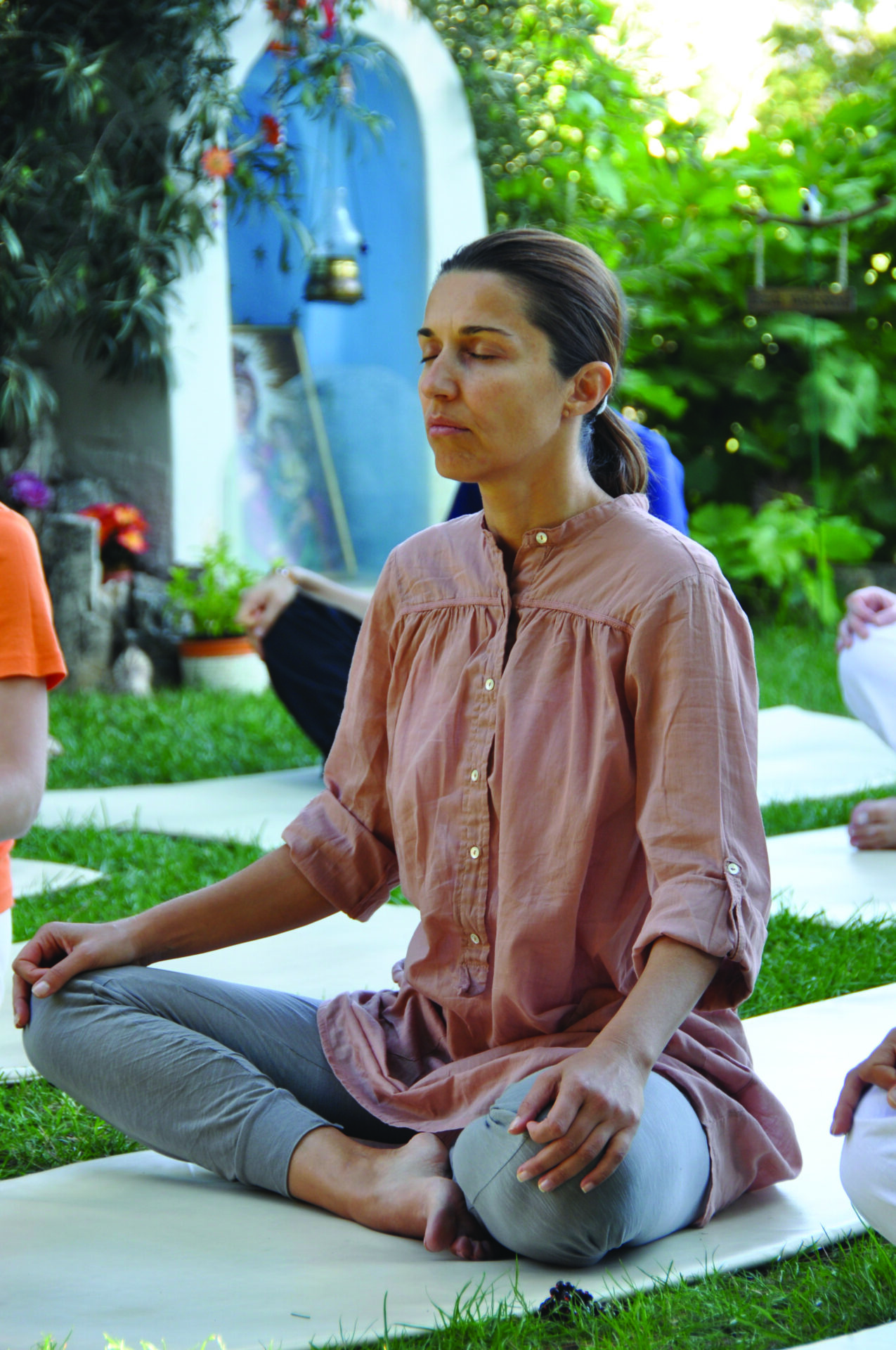

Feeling sluggish, mentally foggy, or like your yoga practice has plateaued? You might be missing a secret key: bandhas. These ancient 'energy locks' can unlock a whole new level of vitality, focus, and inner awareness. Bandhas, fundamental practices in yoga, regulate and enhance the flow of prana (vital energy) within the body, playing a significant role in balancing physical, mental, and energetic functions. Derived from the Sanskrit word meaning "to lock" or "to bind," bandhas are powerful tools for directing energy, improving concentration, and deepening one's yoga practice by engaging specific muscle groups to stimulate key physiological and energetic systems, leading to greater vitality and inner awareness. This article explores the four primary bandhas—jalandhara bandha (throat lock), uddiyana bandha (abdominal lock), moola bandha (perineum lock), and maha bandha (the great lock)—along with their benefits and integration into daily yoga practice. Prepare to unlock your hidden potential!
Understanding Bandhas: The Energy Locks
Bandhas are classified as "psychic energy locks" that help regulate and direct prana within the body. When performed correctly, they impact multiple physiological systems, including the nervous, circulatory, respiratory, and endocrine systems. These locks stimulate and harmonize the body's chakras (energy centers), optimizing energy flow and enhancing overall well-being.
-
Jalandhara Bandha (Throat Lock)
Jalandhara bandha is performed by tucking the chin to the chest while holding the breath. This lock is commonly practiced in combination with pranayama (breath control) to regulate the flow of prana and maintain inner balance.
How to Perform Jalandhara Bandha:
- Sit comfortably in a cross-legged position with your hands resting on your knees.
- Inhale deeply and hold the breath.
- Press the chin to the chest while straightening the elbows and applying slight pressure on the knees.
- Hold the position for a few seconds, then release by raising the chin and then exhaling.
- Repeat up to five times.
Benefits:
- Balances the thyroid and parathyroid glands, regulating metabolism
- Relieves stress, anxiety and anger
- Enhances mental focus and supports meditative states
Precautions
Avoid this practice if you suffer from high blood pressure, cervical spondylosis, or heart conditions. Or if you have any neck injuries or pain. Only lower your chin to the extent that is comfortable for you.
Jalandhara Bandha stimulates the vishuddhi chakra, located at the throat, by regulating the flow of energy in this area. This engagement promotes clear communication, authentic self-expression, and the release of stagnant energy blocking your truth. By practicing this bandha, you can unlock your voice and connect with your inner wisdom.
-
Uddiyana Bandha (Abdominal Lock)
Uddiyana bandha involves a powerful abdominal contraction that creates a vacuum effect, drawing energy upward through the body.
How to Perform Uddiyana Bandha:
- Sit in a comfortable position with your palms resting on your knees.
- Take a deep breath and exhale forcefully, emptying the lungs completely.
- While holding the breath out, draw the abdomen inward and upward, creating a hollow effect.
- Hold for a few seconds, then slowly release and inhale.
- Repeat 3-5 times.
Practice note for beginners: Only practice this bandha on an empty stomach. If you have any digestive issues or abdominal pain, consult a healthcare professional before attempting it.
Benefits:
- Stimulates digestion and enhances metabolic function
- Detoxifies the abdominal organs, promoting gut health
- Energizes the body and improves mental clarity
Precautions:
Do not practice if you have stomach ulcers, hernia, high blood pressure or are pregnant.
Uddiyana bandha activates the manipura chakra, found at the solar plexus, by kindling inner fire and promoting digestive health. This practice strengthens willpower, boosts self-esteem, and encourages the release of fear and anxiety held in the abdomen. With regular practice, you can cultivate personal power and assertiveness.
-
Moola Bandha (Perineum Lock)
Moola bandha is performed by contracting the perineal muscles, activating energy at the root chakra (mooladhara chakra).
How to Perform Moola Bandha:
- Sit in a comfortable meditation posture, preferably with the heel pressing against the perineum.
- Close your eyes and focus on the mooladhara chakra.
- Contract the perineal muscles and hold for a few seconds.
- Relax and repeat up to ten times.
Practice note for beginners: Start by simply becoming aware of the pelvic floor muscles. A gentle lift is sufficient. Avoid clenching or gripping.
Moola Bandha (Root Lock): Start by simply becoming aware of the pelvic floor muscles. A gentle lift is sufficient. Avoid clenching or gripping.
Moola Bandha with Breath Retention:
- Inhale deeply, contract the perineal muscles, and hold the breath.
- Hold for a few seconds before exhaling and releasing the lock.
- Repeat up to ten times.
Benefits:
- Strengthens reproductive and excretory systems
- Balances the nervous and endocrine systems
- Enhances sexual health and energy flow
- Aligns the physical, mental, and energetic bodies
Moola bandha directly stimulates the mooladhara chakra, the root chakra associated with feelings of security, grounding, and stability. Activating this chakra can help you feel more centered and connected to the earth.
Precautions:
Beginners should start slowly, as this practice activates the energy system quickly.
-
Maha Bandha (The Great Lock)
Maha bandha combines all three bandhas (jalandhara, uddiyana, and moola) in a sequence to maximize their benefits.
How to Perform Maha Bandha:
- Sit comfortably with hands on the knees.
- Inhale deeply, then exhale completely and hold the breath out.
- Perform Jalandhara Bandha (throat lock) by pressing the chin to the chest.
- Engage uddiyana bandha (abdominal lock) by drawing the abdomen in and up.
- Contract the perineal muscles to engage moola bandha.
- Hold the position for as long as comfortable.
- Release in reverse order: moola bandha, uddiyana bandha, and then jalandhara bandha.
- Inhale slightly before exhaling completely.
- Repeat up to nine times.
Practice note for beginners: master the three constituent bandhas first before combining the three. Mastering bandhas takes time and patience. Don't get discouraged if you don't feel them right away. With consistent practice, you will gradually develop the necessary awareness and control.
Benefits:
- Regulates the endocrine system and balances hormones
- Stimulates energy flow through the chakras
- Awakens latent psychic energy
- Enhances physical, mental, and energetic harmony
Precautions:
Avoid if you have high blood pressure, heart issues, or digestive disorders.
Physical and Mental Benefits of Bandhas
Physical Benefits:
- Stimulate the endocrine system improving hormonal balance
- Improve digestion and circulation
- Enhance lung capacity and oxygenation
- Strengthen the core and pelvic muscles
Mental Benefits:
- Promote mental clarity and concentration
- Reduce stress, anxiety, and emotional imbalances
- Support deeper meditative states and mindfulness
Incorporating Bandhas into Daily Yoga Practice
To integrate bandhas effectively:
- During pranayama engage bandhas while practicing breath control techniques to enhance energy flow and deepen awareness.
- In asana practice apply gentle bandha engagement during yoga postures to stabilize the core and improve energy flow.
- During meditation use moola bandha to direct awareness inward and support deep concentration.
- In kriya yoga advanced yogic techniques incorporate bandhas to awaken kundalini energy.
Bandhas are a powerful yet often underutilized aspect of yoga. By mastering these energy locks, practitioners can unlock profound physical, mental, and energetic benefits. Regular practice under proper guidance leads to enhanced vitality, inner balance, and spiritual growth. Whether incorporated into breathwork, postures, or meditation, bandhas serve as a bridge to higher states of awareness, helping yogis deepen their journey toward self-realization.
Start with awareness, practice consistently, and experience the transformative power of bandhas on your yoga journey.