




What are chakras and why are they important? 

According to yoga, we are much more than the physical body. Apart from the physical body that we know through the five senses, we also have an energy body, a mental body and a psychic body.  

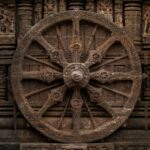
Chakras are locations where flows of energy and consciousness converge and create a vortex, like a whirlpool of energy. This gives the impression of a whirling sensation or a wheel turning. The word ‘chakra’ actually means wheel in Sanskrit. 

We can locate them at certain areas in the physical body, but they do not exist on the physical plane.  The chakras are not visible to the naked eye. They exist in the energy and psychic dimensions of our being, but have physical counterparts and organs directly associated with them. Each chakra supplies and distributes energy to different organs and systems of the physical body. They also influence our perception, motivation, behaviour, mental faculties and level of consciousness.  


What are the 7 main chakras?  

There are many chakras in the human body, but generally 7 are considered the main ones, starting from the base of the spine and culminating at the crown of the head.  

Sri Swami Satyananda Saraswati has described the 7 main chakras of a human being as follows: 

Mooladhara chakra is the subtle root or framework of human existence. Moola means ‘the root’, adhara means ‘support’. In the masculine body this chakra is situated between the anus and the sexual organs. In the feminine body it is found at the cervix, where the vagina and uterus join. 

Next is swadhisthana, situated at the base of the spine or coccyx bone. Swadhisthana means ‘one’s own abode’; it is the basis from which most people express themselves in the world. 

Moving upwards, we find manipura chakra located within the spine directly behind the navel. The word mani means ‘jewel’, purameans ‘city’, therefore manipura is known as ‘city of jewels’. It is the centre where the vital energy of the body is stored. 

Then there is anahata, situated in the spinal column behind the heart. Anahata means ‘un-struck or unbroken’; it is the centre of unbroken sound. 

Vishuddhi chakra is known as the purification centre as it purifies and harmonises all opposites and all poisons. In vishuddhi, the poison and nectar are separated and refined. It is found in the spinal cord behind the region of the throat. 

Ajna chakra is the centre of command where you receive instructions from the inner or outer guru. The word ajna actually means ‘command’. This chakra is situated behind the mid-eyebrow centre at the top of the spinal cord. 

Sahasrara is the divine multi-petalled lotus. Its nature is infinite, it is just pure awareness. The physical correlation of this centre is the pituitary gland which controls each and every gland and system of the body. [1] 

These are the major chakras and they each have a corresponding point of awakening found along the front side of the body, called a kshetram. For mooladhara, it is the chakra itself; for swadhisthana it is at the pubic bone; for manipura at the navel; for anahata the heart; for vishuddhi the throat; and for ajna the mid-eyebrow centre. 


What is a blocked chakra?  

Chakras can be dormant or awake. When they are awake, or active, the energy flow can either be  blocked or insufficient or the energy could be excessive. The ideal is to have a balanced energy flow. When a chakra is blocked it usually means that the energy is not able to flow freely through this junction, therefore there is either no or insufficient energy to maintain the respective functions associated with the particular chakra. This can result in dysfunction or ill health. 


How to determine if your chakras are balanced?  

Awareness of the chakras depends on one’s spiritual evolution. When the consciousness has been purified by spiritual efforts, awareness of the chakras is greatly enhanced. 

Therefore, the state of our chakras is not always easy to understand. If we are fortunate to meet a person or teacher who has insight into the deeper levels of our being, we can ask them to determine the state of each of the chakras.  

As mentioned before, some chakras may be balanced while others unbalanced. Generally, however when our chakras are balanced, there is an overall sense of well-being, good health and vitality, mental calm and clarity, direction and inspiration. 


How to unblock chakras for better well-being?  

Unblocking and awakening the chakras is a natural part of life, a natural process of evolution. A lifestyle that is close to nature, infused with prana (vital energy) and a positive outlook is conducive to unblocking chakras. 

In addition, yoga provides many techniques to better understand the chakras, improve their functioning and liberate their potential. First, however, one needs to develop their awareness of the chakras and train their focus on them.  


Techniques for unblocking chakras and achieving chakra balance. 

There are many different methods or approaches that enable us to discover the exact chakra point without having to imagine the point, and without exerting mental effort or strain. Following are a few examples as described by Sri Swami Satyananda Saraswati. 

One can focus on the kshetrams (switches or master keys) of each chakra, which have a direct connection to their respective chakra locations. This is an effective way to influence each chakra. For instance, when working with manipura chakra, one can focus on the naval, or when working with ajna chakra one can focus on the mid-eyebrow center, and so on. 

Another method from the branch of Nada Yoga , the yoga of sound, is as follows:  

sit down quietly and focus either on the actual chakras or on their connecting centres, kshetrams, in the front of the body. With a musical instrument play the scales: sa re ga ma pa da ni sa (the Indian music scale) or do re me fa so la ti do (Western music scale). Correlate these notes with the chakras and as you ascend and descend the scale, move your awareness from chakra to chakra between mooladhara and  sahasrara. 

Yet another method involves using the bija mantra (seed sound or vibration) of each chakra: lam, vam, ram, yam, ham and om, from mooladhara to ajna respectively. You can repeat the particular bija mantra while maintaining your attention in the corresponding area. For example, keep your attention on mooladhara and repeat lam over and over again. Then concentrate on swadhisthana and repeat vam for some time. Continue repeating the appropriate mantra for each chakra. 

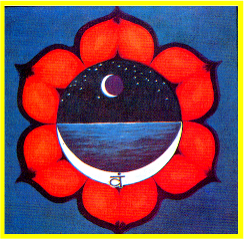
It is also possible to use the geometric representations (yantras), or the tattwas (elements) which are related to each particular chakra. There are some  beautiful meditation practices relating to the chakras, their location points, their yantras and symbols that can be found in the books written by Sri Swami Satyananda Saraswati titled Meditations from the Tantras and the  world acclaimed Yoga Nidra. 


[1] http://www.yogamag.net/archives/1980s/1980/8010/8010sat.html 

satyananda yoga logo

Satyanandashram Hellas

Alithias 1, 19002 Paiania, Greece

PO Box 22, 19002 Paiania, Greece

+306947009660

info@satyanandayoga.gr

Paiania Meditation Center

Dimarchou Iona Vore (former Diadochou Konstantinou) 32, 19002 Paiania

+30 210 6641545, 695 6482415

sycp@satyanandayoga.gr

Athens Meditation Center

Simetelou 2, 115 28, Athens

210 3311178, 694 2974467

syca@satyanandayoga.gr

Thessaloniki Meditation Center

Proxenou Koromila 1, 54623 Thessaloniki

+30 2310 283109

sycs@satyanandayoga.gr

The trademark Satyanandashram Hellas CENTER OF YOGA® is a trademark owned by Satyanandashram Hellas, Greece and used with permission.
The term SATYANANDA YOGA® is a trademark owned by IYFM and used with permission.
Satyananda Yoga Nidra® is a registered trademark of IYFM used with permission.

How you can be part of this beautiful community of service

You are welcome to come and unite in our efforts to help us accomplish our aims and goals. Our association needs people who are ready to offer their hearts, their skills and ideas as well as monetary contributions, and to integrate their ‘head, heart and hands’ in service.

If you consider the needs of others, we need you.
If you have a generous heart, we need you.
Ιf you have large hands, we need you.
If you have bright ideas, we need you.

Your contributions allow us to reach out to more and more people. Your contributions enable us to support and work towards the fulfilment of the vision of Swami Satyananda, Swami Niranjanananda and their lineage  that of peace and prosperity for all humankind.

X

What are Chakras and How to Unblock Each of Them?

What are chakras and why are they important? 

According to yoga, we are much more than the physical body. Apart from the physical body that we know through the five senses, we also have an energy body, a mental body and a psychic body.  

Chakras are locations where flows of energy and consciousness converge and create a vortex, like a whirlpool of energy. This gives the impression of a whirling sensation or a wheel turning. The word ‘chakra’ actually means wheel in Sanskrit. 

We can locate them at certain areas in the physical body, but they do not exist on the physical plane.  The chakras are not visible to the naked eye. They exist in the energy and psychic dimensions of our being, but have physical counterparts and organs directly associated with them. Each chakra supplies and distributes energy to different organs and systems of the physical body. They also influence our perception, motivation, behaviour, mental faculties and level of consciousness.  


What are the 7 main chakras?  

There are many chakras in the human body, but generally 7 are considered the main ones, starting from the base of the spine and culminating at the crown of the head.  

Sri Swami Satyananda Saraswati has described the 7 main chakras of a human being as follows: 

Mooladhara chakra is the subtle root or framework of human existence. Moola means 'the root', adhara means 'support'. In the masculine body this chakra is situated between the anus and the sexual organs. In the feminine body it is found at the cervix, where the vagina and uterus join. 

Next is swadhisthana, situated at the base of the spine or coccyx bone. Swadhisthana means 'one's own abode'; it is the basis from which most people express themselves in the world. 

Moving upwards, we find manipura chakra located within the spine directly behind the navel. The word mani means 'jewel', purameans 'city', therefore manipura is known as 'city of jewels'. It is the centre where the vital energy of the body is stored. 

Then there is anahata, situated in the spinal column behind the heart. Anahata means 'un-struck or unbroken'; it is the centre of unbroken sound. 

Vishuddhi chakra is known as the purification centre as it purifies and harmonises all opposites and all poisons. In vishuddhi, the poison and nectar are separated and refined. It is found in the spinal cord behind the region of the throat. 

Ajna chakra is the centre of command where you receive instructions from the inner or outer guru. The word ajna actually means 'command'. This chakra is situated behind the mid-eyebrow centre at the top of the spinal cord. 

Sahasrara is the divine multi-petalled lotus. Its nature is infinite, it is just pure awareness. The physical correlation of this centre is the pituitary gland which controls each and every gland and system of the body. [1] 

These are the major chakras and they each have a corresponding point of awakening found along the front side of the body, called a kshetram. For mooladhara, it is the chakra itself; for swadhisthana it is at the pubic bone; for manipura at the navel; for anahata the heart; for vishuddhi the throat; and for ajna the mid-eyebrow centre. 


What is a blocked chakra?  

Chakras can be dormant or awake. When they are awake, or active, the energy flow can either be  blocked or insufficient or the energy could be excessive. The ideal is to have a balanced energy flow. When a chakra is blocked it usually means that the energy is not able to flow freely through this junction, therefore there is either no or insufficient energy to maintain the respective functions associated with the particular chakra. This can result in dysfunction or ill health. 


How to determine if your chakras are balanced?  

Awareness of the chakras depends on one's spiritual evolution. When the consciousness has been purified by spiritual efforts, awareness of the chakras is greatly enhanced. 

Therefore, the state of our chakras is not always easy to understand. If we are fortunate to meet a person or teacher who has insight into the deeper levels of our being, we can ask them to determine the state of each of the chakras.  

As mentioned before, some chakras may be balanced while others unbalanced. Generally, however when our chakras are balanced, there is an overall sense of well-being, good health and vitality, mental calm and clarity, direction and inspiration. 


How to unblock chakras for better well-being?  

Unblocking and awakening the chakras is a natural part of life, a natural process of evolution. A lifestyle that is close to nature, infused with prana (vital energy) and a positive outlook is conducive to unblocking chakras. 

In addition, yoga provides many techniques to better understand the chakras, improve their functioning and liberate their potential. First, however, one needs to develop their awareness of the chakras and train their focus on them.  


Techniques for unblocking chakras and achieving chakra balance. 

There are many different methods or approaches that enable us to discover the exact chakra point without having to imagine the point, and without exerting mental effort or strain. Following are a few examples as described by Sri Swami Satyananda Saraswati. 

One can focus on the kshetrams (switches or master keys) of each chakra, which have a direct connection to their respective chakra locations. This is an effective way to influence each chakra. For instance, when working with manipura chakra, one can focus on the naval, or when working with ajna chakra one can focus on the mid-eyebrow center, and so on. 

Another method from the branch of Nada Yoga , the yoga of sound, is as follows:  

sit down quietly and focus either on the actual chakras or on their connecting centres, kshetrams, in the front of the body. With a musical instrument play the scales: sa re ga ma pa da ni sa (the Indian music scale) or do re me fa so la ti do (Western music scale). Correlate these notes with the chakras and as you ascend and descend the scale, move your awareness from chakra to chakra between mooladhara and  sahasrara. 

Yet another method involves using the bija mantra (seed sound or vibration) of each chakra: lam, vam, ram, yam, ham and om, from mooladhara to ajna respectively. You can repeat the particular bija mantra while maintaining your attention in the corresponding area. For example, keep your attention on mooladhara and repeat lam over and over again. Then concentrate on swadhisthana and repeat vam for some time. Continue repeating the appropriate mantra for each chakra. 

It is also possible to use the geometric representations (yantras), or the tattwas (elements) which are related to each particular chakra. There are some  beautiful meditation practices relating to the chakras, their location points, their yantras and symbols that can be found in the books written by Sri Swami Satyananda Saraswati titled Meditations from the Tantras and the  world acclaimed Yoga Nidra. 


[1] http://www.yogamag.net/archives/1980s/1980/8010/8010sat.html