





Wondering what Maha Shivaratri is?

Read more and discover its meaning, significance, and why millions around the world celebrate it. Learn more here. 

What is the significance of Maha Shivaratri ? 

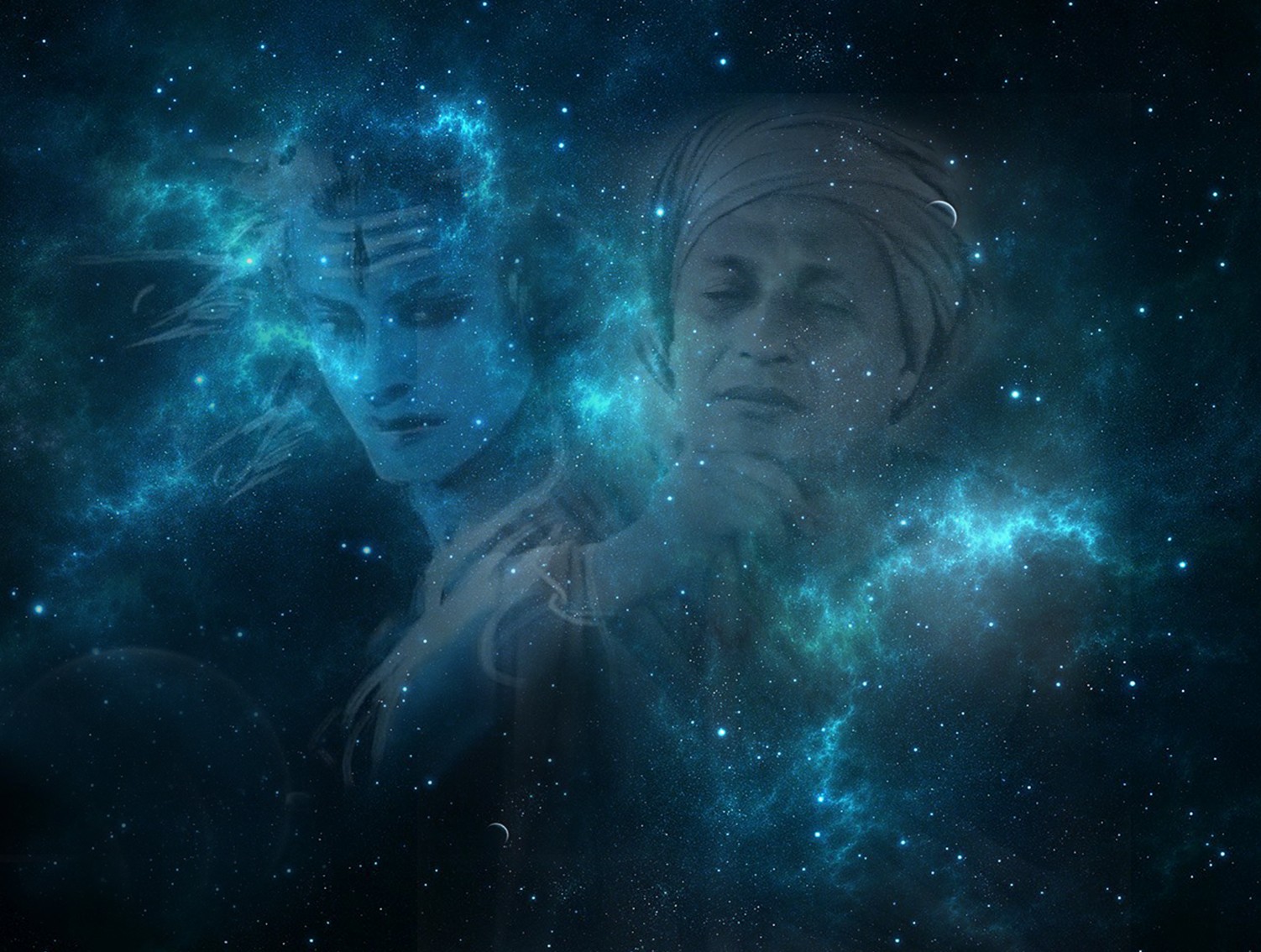
Maha Shivaratri, meaning “The Great Night of Shiva,” is one of the most sacred festivals in India. Dedicated to Lord Shiva, this night symbolizes the victory of light over darkness, enlightenment over ignorance, and hope over despair. Celebrated by millions around the world, it’s a night of spiritual awakening, meditation, and devotion. 

Whether you’re new to yoga or just exploring spirituality, Maha Shivaratri offers profound lessons about life, transformation, and the union of the soul with divine consciousness. Let’s explore what makes this day so unique! 

Maha Shivaratri is a deeply spiritual occasion and holds immense significance in the yogic calendar. It is the “darkest night of the soul,” a time when individuals confront their struggles and inner darkness before achieving illumination. 

Why is Maha Shivaratri Celebrated? 

It is considered a significant time to reflect on life and to work on overcoming challenges. This sacred night reminds us that even in moments of great despair, a small bright flame of faith within our hearts keeps us connected to hope. On this night, it is said that Shiva—the divine consciousness—descends to unite with individual souls, offering transformation and liberation from pain and suffering. 

Unlike other times of the year, when seekers strive to connect with higher consciousness through yoga practices or meditation, Maha Shivaratri is unique. It is believed that on this night, it is higher consciousness (Shiva) that comes to unite with us, paving the way for inner enlightenment. 

The Story Behind Maha Shivaratri 

One of the most popular legends of Maha Shivaratri is the story of Lord Shiva’s marriage to Parvati, the mountain princess who represents Shakti, the divine feminine energy. The tale goes that Shiva, often seen as a mysterious figure living in the forest, was to marry Parvati, the daughter of the Himalayas. When Shiva arrived for the wedding with his quirky procession of unusual companions, including ghosts and eccentric beings, Parvati’s family were so upset they wanted to call off the wedding. Parvati, however remained calm and resolute. She firmly told her parents that she would marry Shiva despite their horror and outrage. The moment Lord Shiva and his entourage entered the Himalayan kingdom, they transformed into radiant, divine forms, symbolizing the idea that beauty can emerge from chaos and the union between Shiva and Shakti was completed. 

This story reminds us that embracing our own imperfections and challenges will eventually lead us to transformation and harmony. 

The Cosmic Dance of Shiva 

Another fascinating aspect of Maha Shivaratri is the celebration of Shiva as Nataraja, the cosmic dancer. Shiva’s dance, called Tandava, is said to represent the cycle of creation, preservation, and destruction. This imagery highlights life’s constant changes and the balance needed to navigate them. 

Shiva’s graceful dance is often depicted with vibrant symbolism: 

  • A drum is held in his upper right hand representing the first sounds of creation.
  • With his lower right hand, he makes the abhayamudra, a hand gesture invoking fearlessness and bestowing protection from evil and ignorance to those who follow rightousness or dharma.
  • Fire (agni) is held in his upper left hand symbolizing destruction and renewal.
  • His raised left foot signifies liberation and overcoming challenges.
  • The stoic expression on Shiva’s face represents equipoise, balance and harmony.

How is Maha Shivaratri Celebrated? 

People across India and the world celebrate this night performing rituals and joining together in song and dance. Lighting candles, performing havan (fire ceremonies) and offering prayers are all part of the festivities. Many devotees stay awake all night, meditating and focusing on qualities like peace, compassion, and forgiveness. It’s a time to awaken the divinity within and celebrate inner transformation. 

Devotees of Shiva go on a pilgrimage to worship the Jyotirlingams that are very auspicious and holy shrines all over India where it is said that Shiva had appeared as a fiery column of light. 

There is also the Maha Shivaratri Puja, a special prayer and devotional offering ceremony performed to honor Lord Shiva where Vedic mantras are chanted bringing positivity and purity to the environment and transforming negative emotions. For example, chanting Shiva mantras like “Om Namah Shivaya” generates peace and positivity 

Fasting on Maha Shivaratri 

Fasting is a common practice during Maha Shivaratri and is believed to cleanse the body and mind. Many devotees observe a simple diet of fruits, milk, or light vegetarian meals while avoiding negative thoughts and stress. The goal is to stay positive, peaceful, and focused throughout the day. 

Celebrations at Satyanandashram Greece 2025 

This year, Satyanandashram in Greece will host a vibrant five-day program for Maha Shivaratri from Saturday, February 22nd, to Thursday, February 27th, 2025. The event, titled “The Cosmic Dance of Transformation: From Darkness to Light,” will feature rituals, chanting, meditation, and yoga practices. The highlight of this event will be a Satsang with Swami Sivamurti Saraswati (founder of Satyanandashram Greece) which will be held to honour this very auspicious time of the year. 

For more details visit: Satyanandashram Greece 

Maha Shivaratri is more than just a festival; it’s a time to pause, reflect, and celebrate the journey of life. Whether through chanting, meditating, or simply enjoying the stories and traditions, this particular night offers something meaningful for everyone. So, why not join in the celebrations and experience the magic of this special night?

satyananda yoga logo

Satyanandashram Hellas

Alithias 1, 19002 Paiania, Greece

PO Box 22, 19002 Paiania, Greece

+306947009660

info@satyanandayoga.gr

Paiania Meditation Center

Dimarchou Iona Vore (former Diadochou Konstantinou) 32, 19002 Paiania

+30 210 6641545, 695 6482415

sycp@satyanandayoga.gr

Athens Meditation Center

Simetelou 2, 115 28, Athens

210 3311178, 694 2974467

syca@satyanandayoga.gr

Thessaloniki Meditation Center

Proxenou Koromila 1, 54623 Thessaloniki

+30 2310 283109

sycs@satyanandayoga.gr

The trademark Satyanandashram Hellas CENTER OF YOGA® is a trademark owned by Satyanandashram Hellas, Greece and used with permission.
The term SATYANANDA YOGA® is a trademark owned by IYFM and used with permission.
Satyananda Yoga Nidra® is a registered trademark of IYFM used with permission.

How you can be part of this beautiful community of service

You are welcome to come and unite in our efforts to help us accomplish our aims and goals. Our association needs people who are ready to offer their hearts, their skills and ideas as well as monetary contributions, and to integrate their ‘head, heart and hands’ in service.

If you consider the needs of others, we need you.
If you have a generous heart, we need you.
Ιf you have large hands, we need you.
If you have bright ideas, we need you.

Your contributions allow us to reach out to more and more people. Your contributions enable us to support and work towards the fulfilment of the vision of Swami Satyananda, Swami Niranjanananda and their lineage  that of peace and prosperity for all humankind.

X

What is Maha Shivaratri and Why Do People Celebrate It?

Wondering what Maha Shivaratri is?

Read more and discover its meaning, significance, and why millions around the world celebrate it. Learn more here. 

What is the significance of Maha Shivaratri ? 

Maha Shivaratri, meaning “The Great Night of Shiva,” is one of the most sacred festivals in India. Dedicated to Lord Shiva, this night symbolizes the victory of light over darkness, enlightenment over ignorance, and hope over despair. Celebrated by millions around the world, it’s a night of spiritual awakening, meditation, and devotion. 

Whether you’re new to yoga or just exploring spirituality, Maha Shivaratri offers profound lessons about life, transformation, and the union of the soul with divine consciousness. Let's explore what makes this day so unique! 

Maha Shivaratri is a deeply spiritual occasion and holds immense significance in the yogic calendar. It is the "darkest night of the soul," a time when individuals confront their struggles and inner darkness before achieving illumination. 

Why is Maha Shivaratri Celebrated? 

It is considered a significant time to reflect on life and to work on overcoming challenges. This sacred night reminds us that even in moments of great despair, a small bright flame of faith within our hearts keeps us connected to hope. On this night, it is said that Shiva—the divine consciousness—descends to unite with individual souls, offering transformation and liberation from pain and suffering. 

Unlike other times of the year, when seekers strive to connect with higher consciousness through yoga practices or meditation, Maha Shivaratri is unique. It is believed that on this night, it is higher consciousness (Shiva) that comes to unite with us, paving the way for inner enlightenment. 

The Story Behind Maha Shivaratri 

One of the most popular legends of Maha Shivaratri is the story of Lord Shiva’s marriage to Parvati, the mountain princess who represents Shakti, the divine feminine energy. The tale goes that Shiva, often seen as a mysterious figure living in the forest, was to marry Parvati, the daughter of the Himalayas. When Shiva arrived for the wedding with his quirky procession of unusual companions, including ghosts and eccentric beings, Parvati's family were so upset they wanted to call off the wedding. Parvati, however remained calm and resolute. She firmly told her parents that she would marry Shiva despite their horror and outrage. The moment Lord Shiva and his entourage entered the Himalayan kingdom, they transformed into radiant, divine forms, symbolizing the idea that beauty can emerge from chaos and the union between Shiva and Shakti was completed. 

This story reminds us that embracing our own imperfections and challenges will eventually lead us to transformation and harmony. 

The Cosmic Dance of Shiva 

Another fascinating aspect of Maha Shivaratri is the celebration of Shiva as Nataraja, the cosmic dancer. Shiva's dance, called Tandava, is said to represent the cycle of creation, preservation, and destruction. This imagery highlights life's constant changes and the balance needed to navigate them. 

Shiva's graceful dance is often depicted with vibrant symbolism: 

  • A drum is held in his upper right hand representing the first sounds of creation.
  • With his lower right hand, he makes the abhayamudra, a hand gesture invoking fearlessness and bestowing protection from evil and ignorance to those who follow rightousness or dharma.
  • Fire (agni) is held in his upper left hand symbolizing destruction and renewal.
  • His raised left foot signifies liberation and overcoming challenges.
  • The stoic expression on Shiva's face represents equipoise, balance and harmony.

How is Maha Shivaratri Celebrated? 

People across India and the world celebrate this night performing rituals and joining together in song and dance. Lighting candles, performing havan (fire ceremonies) and offering prayers are all part of the festivities. Many devotees stay awake all night, meditating and focusing on qualities like peace, compassion, and forgiveness. It’s a time to awaken the divinity within and celebrate inner transformation. 

Devotees of Shiva go on a pilgrimage to worship the Jyotirlingams that are very auspicious and holy shrines all over India where it is said that Shiva had appeared as a fiery column of light. 

There is also the Maha Shivaratri Puja, a special prayer and devotional offering ceremony performed to honor Lord Shiva where Vedic mantras are chanted bringing positivity and purity to the environment and transforming negative emotions. For example, chanting Shiva mantras like "Om Namah Shivaya" generates peace and positivity 

Fasting on Maha Shivaratri 

Fasting is a common practice during Maha Shivaratri and is believed to cleanse the body and mind. Many devotees observe a simple diet of fruits, milk, or light vegetarian meals while avoiding negative thoughts and stress. The goal is to stay positive, peaceful, and focused throughout the day. 

Celebrations at Satyanandashram Greece 2025 

This year, Satyanandashram in Greece will host a vibrant five-day program for Maha Shivaratri from Saturday, February 22nd, to Thursday, February 27th, 2025. The event, titled "The Cosmic Dance of Transformation: From Darkness to Light," will feature rituals, chanting, meditation, and yoga practices. The highlight of this event will be a Satsang with Swami Sivamurti Saraswati (founder of Satyanandashram Greece) which will be held to honour this very auspicious time of the year. 

For more details visit: Satyanandashram Greece 

Maha Shivaratri is more than just a festival; it's a time to pause, reflect, and celebrate the journey of life. Whether through chanting, meditating, or simply enjoying the stories and traditions, this particular night offers something meaningful for everyone. So, why not join in the celebrations and experience the magic of this special night?