



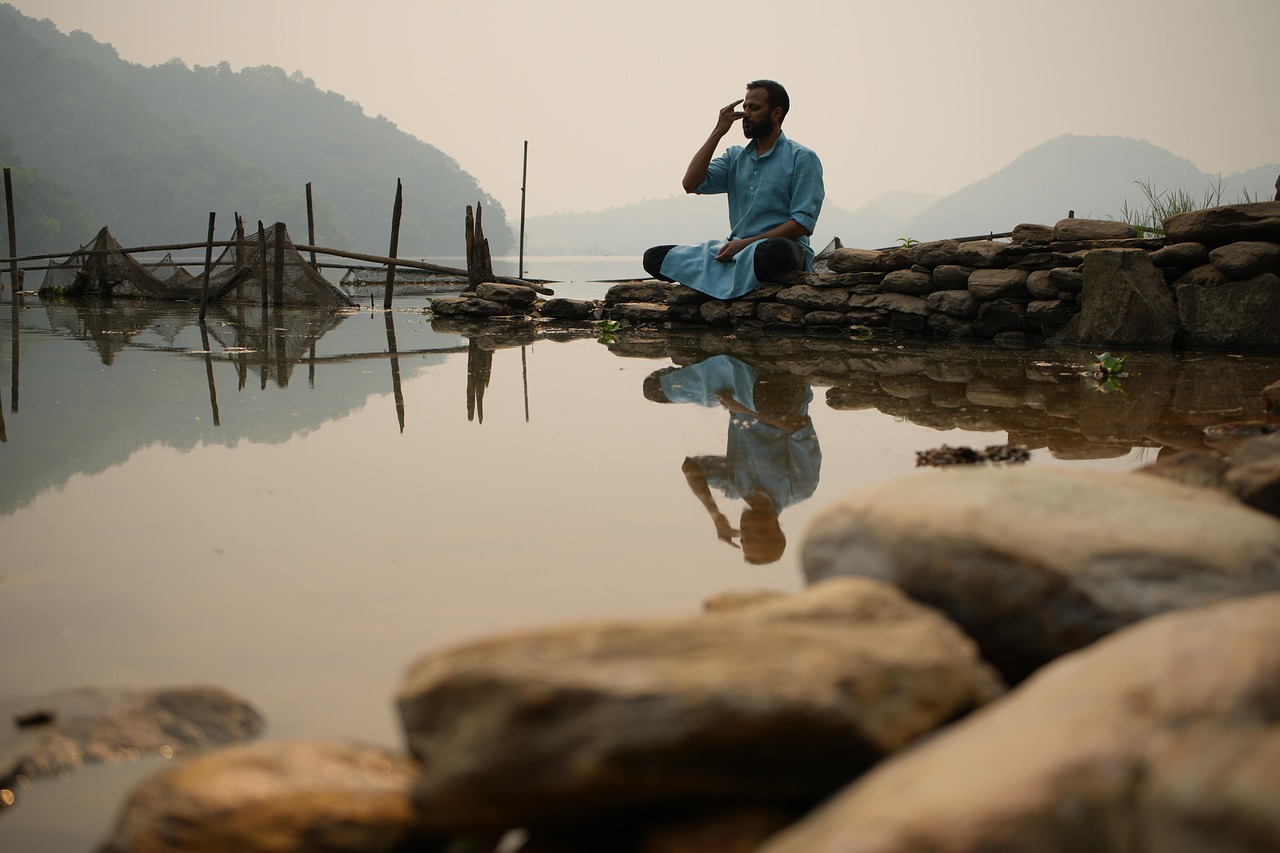
What is bhastrika pranayama? 

Bhastrika is a Sanskrit word meaning the bellows, which are used to pump air into a fire. 

The diaphragm movement during the practice has a similar pumping effect and fans the internal fire, creating physical, pranic and psychic heat. Thus, bhastrika pranayama is also known as ‘bellows breath’ and is used to awaken the energy and increase the heat and circulation within the physical body. 

Bhastrika pranayama belongs to the vitalizing practices. It increases the prana and heat in the body, and is traditionally practiced in the winter months. 

Its benefits are far reaching and transforming on all levels of being: physical, energetic, mental and psychic. 

How to prepare for bhastrika pranayama? 

Bhastrika is a practice that takes time to develop and should not be rushed as the lungs are very sensitive. Aspirants should proceed slowly and be sensitive to their own capacity. Each stage and technique, as described further down, should be fully consolidated before attempting the next. 

Also importantly, the following preparation should precede the practice: 

  1. Posture

The rapid pumping motion of the diaphragm when breathing in this practice requires a steady asana. The yogis recommend a posture that locks the body into a stable position like padmasana (lotus pose) or siddhasana (for men) and siddha yoni asana (for women). When the base is steady, then it allows the abdomen to move more freely. If the above yogic postures are not possible, other sitting postures with a stable and balanced base can also be used. 

  1. Clear nostril flow

Once the body posture has been established, the nostrils should be cleared so the air can flow freely without any blockages. Jala neti (cleaning of the nostrils with saline water) can be practiced beforehand to assist this process. 

    3. Abdominal breathing 

Practitioners should be accomplished in abdominal breathing, also called diaphragmatic, breathing. 

    4. Mudras and bandhas 

As the practice is evolved to include mudras and bandhas, these also need to be practiced with ease before being added to the practice. 

How to practice bhastrika pranayama correctly? 

Breathing intensity 

Bhastrika pranayama may be practiced at three different degrees of intensity: slow, medium and fast. This depends on the experience of the aspirant and the aim of the practice. 

Slow or mild bhastrika: is practiced with no extra force on inhalation or exhalation, approximately one breath every two seconds. 

Medium bhastrika: is practiced with more effort to achieve approximately one breath every second. 

Fast bhastrika: is stepping up the pace to approximately two breaths every second. 

Gradual progression through stages 

The practice is graded over numerous stages. In the Satyananda Yoga tradition, and as described in the book Prana and Pranayama by Swami Niranjanananda Saraswati, there are five techniques. 

Techniques 1 and 2 are for beginner’s level and establish the basic method of practice. In Technique 1 breathing is through both nostrils and in Technique 2 the practitioner breathes alternating the breath between the two nostrils. 

Technique 3 is considered for intermediate level. At this level one increases the number of breaths in each round and introduces inner retention with bandhas. 

Technique 4 is for advanced practice. The number of breaths is further increased and there is additionally external retention. 

Finally, in Technique 5 all the above elements of the practice are combined with maha bandha (the great energy lock) which combines moola bandha (locking the perineum in males and the cervix in females), udyanana bandha (abdominal retraction lock) and jala bandha (throat lock). 

Description of the practice 

Bhastrika pranayama involves preparing the body posture, nostrils and mind for the practice. Then inhaling and exhaling with equal force, at a breathing rate and intensity that is comfortable, or can be performed for some time without strain. 

The number of breaths in each round can increase slowly and gradually. For example, one may start with 20 breaths and increase at a rate of 5 breaths per months, therefore after 6 months of regular practice, one may be doing 50 breaths in each round. 

Retention, mudras and bandhas are practiced or not, depending on the technique and level of the aspirant. 

Take a break 

After each round one is encouraged to pause, allowing the breath to self-regulate, before commencing any further rounds. 

What are the benefits of bhastrika pranayama? 

When bhastrika pranayama is practiced systematically and conscientiously, there are a wide range of benefits. 

Improves respiratory health 

Due to the rapid exchange of air in the lungs, there is an increase in the exchange of oxygen and carbon dioxide into and out of the bloodstream. This in turn stimulates the metabolic rate, producing heat and energy in the system. 

Detoxifies the body 

The increased stimulation also flushes out wastes and toxins at the cellular level and the blood is purified. There is less carbon dioxide in the bloodstream and in this way it is easier to do outer retention of the breath. 

Abdominal massage 

The vigorous movement of the diaphragm up and down performs an internal massage of the lower lung lobes and the abdominal organs, toning them and removing inner tension and blockages. This improves the digestive system and improves blood circulation. 

These abdominal movements also strengthen the abdominal muscles which support the placement of the inner organs, so they do not pull the lumbar vertebra forward, which is often the cause of lower back pain. 

Benefits the nervous system and mind 

Bhastrika pranayama balances and strengthens the nervous system, inducing mental peace and one-pointedness. It helps with conditions of hysteria, chronic depression, neurosis and in some cases also psychosis. 

Increases prana and clears psychic blockages 

Bhastrika pranayama increases vitality as it raises the prana circulating in the system. It also replenishes the pranic store and harmonizes the different pranas in the body. This practice generates enough energy and heat to break through the psychic knots (granthis) in sushumna nadi (spiritual channel located in the spine), clearing the way for the ascension of the spiritual energy (Kundalini shakti). 

How long should you practice bhastrika pranayama each day for optimal results? 

Not more than 2-3 rounds initially. Actually, how long and exactly what elements of bhastrika pranayama should be practiced depends on many factors including health condition, lifestyle and personal aspirations. It is best to consult with an experienced yoga teacher before progressing beyond the initial techniques of the practice. 

Are there any precautions and contra-indications? 

Because it is a dynamic practice, a lot of energy is expended so beginners, especially, need to take it easy and have a short rest after each round. Try to avoid violent respiration, excessive shaking of the body and contorting the face. If there is a feeling of faintness, excessive perspiration or vomiting, stop the practice and consult an experienced yoga teacher. These are indications that the practice is being done incorrectly. 

People with high blood pressure, heart disease, hernia, gastric ulcer, stroke, epilepsy, retinal problems glaucoma or vertigo should not practice bhastrika pranayama. The elderly, those suffering from asthma and women in their first trimester of pregnancy should be cautious and only practice under the guidance of a competent teacher. 

Is bhastrika pranayama suitable for beginners or advanced practitioners? 

This pranayama practice is suitable for all levels of practitioner under the guidance of an experienced yoga teacher. It can take the practitioner through the experience of all the koshas (bodies), from a physical and vitalising experience to advanced psychic clarity. The key is slow, patient, dedicated practice through all the techniques as they are described

satyananda yoga logo

Satyanandashram Hellas

Alithias 1, 19002 Paiania, Greece

PO Box 22, 19002 Paiania, Greece

+306947009660

info@satyanandayoga.gr

Paiania Meditation Center

Dimarchou Iona Vore (former Diadochou Konstantinou) 32, 19002 Paiania

+30 210 6641545, 695 6482415

sycp@satyanandayoga.gr

Athens Meditation Center

Simetelou 2, 115 28, Athens

210 3311178, 694 2974467

syca@satyanandayoga.gr

Thessaloniki Meditation Center

Proxenou Koromila 1, 54623 Thessaloniki

+30 2310 283109

sycs@satyanandayoga.gr

The trademark Satyanandashram Hellas CENTER OF YOGA® is a trademark owned by Satyanandashram Hellas, Greece and used with permission.
The term SATYANANDA YOGA® is a trademark owned by IYFM and used with permission.
Satyananda Yoga Nidra® is a registered trademark of IYFM used with permission.

How you can be part of this beautiful community of service

You are welcome to come and unite in our efforts to help us accomplish our aims and goals. Our association needs people who are ready to offer their hearts, their skills and ideas as well as monetary contributions, and to integrate their ‘head, heart and hands’ in service.

If you consider the needs of others, we need you.
If you have a generous heart, we need you.
Ιf you have large hands, we need you.
If you have bright ideas, we need you.

Your contributions allow us to reach out to more and more people. Your contributions enable us to support and work towards the fulfilment of the vision of Swami Satyananda, Swami Niranjanananda and their lineage  that of peace and prosperity for all humankind.

X

Bhastrika Pranayama: Steps and Health Benefits

What is bhastrika pranayama? 

Bhastrika is a Sanskrit word meaning the bellows, which are used to pump air into a fire. 

The diaphragm movement during the practice has a similar pumping effect and fans the internal fire, creating physical, pranic and psychic heat. Thus, bhastrika pranayama is also known as ‘bellows breath’ and is used to awaken the energy and increase the heat and circulation within the physical body. 

Bhastrika pranayama belongs to the vitalizing practices. It increases the prana and heat in the body, and is traditionally practiced in the winter months. 

Its benefits are far reaching and transforming on all levels of being: physical, energetic, mental and psychic. 

How to prepare for bhastrika pranayama? 

Bhastrika is a practice that takes time to develop and should not be rushed as the lungs are very sensitive. Aspirants should proceed slowly and be sensitive to their own capacity. Each stage and technique, as described further down, should be fully consolidated before attempting the next. 

Also importantly, the following preparation should precede the practice: 

  1. Posture

The rapid pumping motion of the diaphragm when breathing in this practice requires a steady asana. The yogis recommend a posture that locks the body into a stable position like padmasana (lotus pose) or siddhasana (for men) and siddha yoni asana (for women). When the base is steady, then it allows the abdomen to move more freely. If the above yogic postures are not possible, other sitting postures with a stable and balanced base can also be used. 

  1. Clear nostril flow

Once the body posture has been established, the nostrils should be cleared so the air can flow freely without any blockages. Jala neti (cleaning of the nostrils with saline water) can be practiced beforehand to assist this process. 

    3. Abdominal breathing 

Practitioners should be accomplished in abdominal breathing, also called diaphragmatic, breathing. 

    4. Mudras and bandhas 

As the practice is evolved to include mudras and bandhas, these also need to be practiced with ease before being added to the practice. 

How to practice bhastrika pranayama correctly? 

Breathing intensity 

Bhastrika pranayama may be practiced at three different degrees of intensity: slow, medium and fast. This depends on the experience of the aspirant and the aim of the practice. 

Slow or mild bhastrika: is practiced with no extra force on inhalation or exhalation, approximately one breath every two seconds. 

Medium bhastrika: is practiced with more effort to achieve approximately one breath every second. 

Fast bhastrika: is stepping up the pace to approximately two breaths every second. 

Gradual progression through stages 

The practice is graded over numerous stages. In the Satyananda Yoga tradition, and as described in the book Prana and Pranayama by Swami Niranjanananda Saraswati, there are five techniques. 

Techniques 1 and 2 are for beginner’s level and establish the basic method of practice. In Technique 1 breathing is through both nostrils and in Technique 2 the practitioner breathes alternating the breath between the two nostrils. 

Technique 3 is considered for intermediate level. At this level one increases the number of breaths in each round and introduces inner retention with bandhas. 

Technique 4 is for advanced practice. The number of breaths is further increased and there is additionally external retention. 

Finally, in Technique 5 all the above elements of the practice are combined with maha bandha (the great energy lock) which combines moola bandha (locking the perineum in males and the cervix in females), udyanana bandha (abdominal retraction lock) and jala bandha (throat lock). 

Description of the practice 

Bhastrika pranayama involves preparing the body posture, nostrils and mind for the practice. Then inhaling and exhaling with equal force, at a breathing rate and intensity that is comfortable, or can be performed for some time without strain. 

The number of breaths in each round can increase slowly and gradually. For example, one may start with 20 breaths and increase at a rate of 5 breaths per months, therefore after 6 months of regular practice, one may be doing 50 breaths in each round. 

Retention, mudras and bandhas are practiced or not, depending on the technique and level of the aspirant. 

Take a break 

After each round one is encouraged to pause, allowing the breath to self-regulate, before commencing any further rounds. 

What are the benefits of bhastrika pranayama? 

When bhastrika pranayama is practiced systematically and conscientiously, there are a wide range of benefits. 

Improves respiratory health 

Due to the rapid exchange of air in the lungs, there is an increase in the exchange of oxygen and carbon dioxide into and out of the bloodstream. This in turn stimulates the metabolic rate, producing heat and energy in the system. 

Detoxifies the body 

The increased stimulation also flushes out wastes and toxins at the cellular level and the blood is purified. There is less carbon dioxide in the bloodstream and in this way it is easier to do outer retention of the breath. 

Abdominal massage 

The vigorous movement of the diaphragm up and down performs an internal massage of the lower lung lobes and the abdominal organs, toning them and removing inner tension and blockages. This improves the digestive system and improves blood circulation. 

These abdominal movements also strengthen the abdominal muscles which support the placement of the inner organs, so they do not pull the lumbar vertebra forward, which is often the cause of lower back pain. 

Benefits the nervous system and mind 

Bhastrika pranayama balances and strengthens the nervous system, inducing mental peace and one-pointedness. It helps with conditions of hysteria, chronic depression, neurosis and in some cases also psychosis. 

Increases prana and clears psychic blockages 

Bhastrika pranayama increases vitality as it raises the prana circulating in the system. It also replenishes the pranic store and harmonizes the different pranas in the body. This practice generates enough energy and heat to break through the psychic knots (granthis) in sushumna nadi (spiritual channel located in the spine), clearing the way for the ascension of the spiritual energy (Kundalini shakti). 

How long should you practice bhastrika pranayama each day for optimal results? 

Not more than 2-3 rounds initially. Actually, how long and exactly what elements of bhastrika pranayama should be practiced depends on many factors including health condition, lifestyle and personal aspirations. It is best to consult with an experienced yoga teacher before progressing beyond the initial techniques of the practice. 

Are there any precautions and contra-indications? 

Because it is a dynamic practice, a lot of energy is expended so beginners, especially, need to take it easy and have a short rest after each round. Try to avoid violent respiration, excessive shaking of the body and contorting the face. If there is a feeling of faintness, excessive perspiration or vomiting, stop the practice and consult an experienced yoga teacher. These are indications that the practice is being done incorrectly. 

People with high blood pressure, heart disease, hernia, gastric ulcer, stroke, epilepsy, retinal problems glaucoma or vertigo should not practice bhastrika pranayama. The elderly, those suffering from asthma and women in their first trimester of pregnancy should be cautious and only practice under the guidance of a competent teacher. 

Is bhastrika pranayama suitable for beginners or advanced practitioners? 

This pranayama practice is suitable for all levels of practitioner under the guidance of an experienced yoga teacher. It can take the practitioner through the experience of all the koshas (bodies), from a physical and vitalising experience to advanced psychic clarity. The key is slow, patient, dedicated practice through all the techniques as they are described