







Perhaps you have heard that yoga is a philosophy, yoga is a science, yoga is a tool, and many other things. Primarily, however, yoga is a discipline. One reaps the benefits of yoga when there is regular and sustained repetition of practice. In yoga this is known as abhyasa. Then yoga becomes a positive habit and a natural part of our lives.

Why should you do daily meditation?

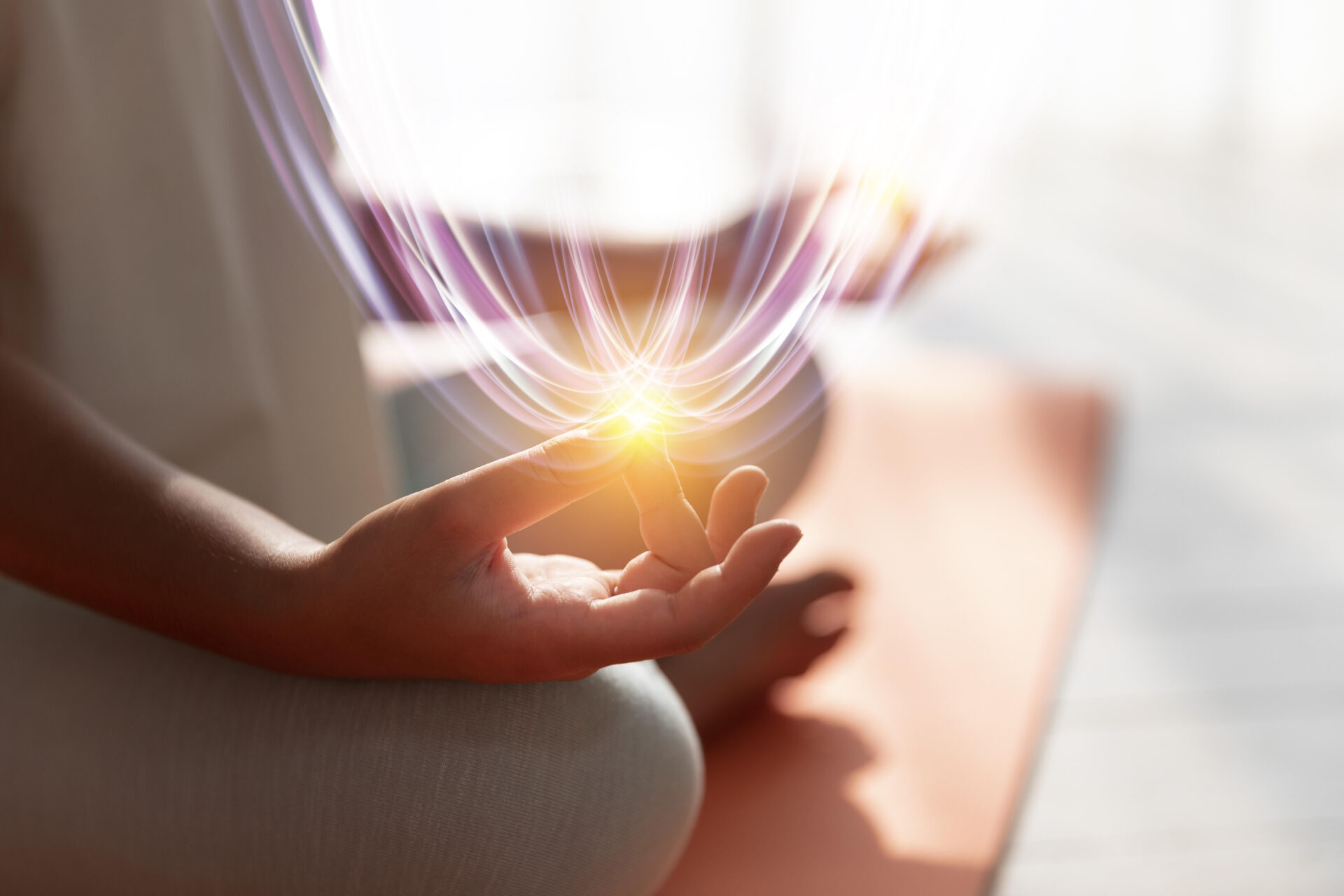
An important aspect of yoga practice is sitting for meditation. When we sit still for a little while and reduce the activities of the senses, then the attention can turn inwards and observe what is happening inside in the body and mind.

Benefits of meditation

Thus, one of the main benefits of meditation is that, through observing the mind impartially, the mind calms down. The mental movements and thoughts reduce in quantity and intensity and the mind is able to settle into a more restful state. This achievement alone is highly valuable as tension, anxiety and emotional reactions plague our modern lives.

When the mind is not so turbulent, but rather like the calm surface of a lake, then it is easier to see deeper below the surface and gain insight into the mysterious workings of the mind and our true nature. This is the essential purpose of meditation, which leads us from ignorance to Self-knowledge.

How to make daily meditation a habit?

Since meditation is the path to peace and wisdom, it definitely seems worth applying in daily life. But life often takes us in different directions and has other priorities that require our attention. So, how to incorporate meditation into our lives on a daily basis?

Start small

As with all habits, we should start small. Start with a simple practice that takes up to 10 minutes. Begin with a practice that is attractive for you and doesn’t require much effort or complex conditions to be implemented.

Select a quiet space

Regularity in time and place is important. Having a consistent spot where you sit each day helps to build up the energy there and, over time, your mind will associate that space with mediation practice.

Ideally, your meditation seat should be simple and comfortable without too many sensorial distractions.

Select a regular time that fits your schedule

Sitting for meditation at a particular time each day that fits in with the rest of your daily routine also helps to establish the practice. Again, you will associate that time of day with the mediation practice and in this way you train your mind.

Yogis say that the best time for mediation is Brahmamuhurta, the time before sunrise, which is the most still and dark before nature awakens to the new day. You could try for a morning session before the activities of the day begin. However, if another time of the day suits you better, then that is fine, just stick to that.

Keep it realistic

As far as the duration of the practice and what you actually do when sitting for mediation, in order to form the initial habit, keep it short and sweet. Even 10-15 minutes can transform our experience if it is consistent.

If you are a beginner, start with opening up the senses and then withdrawing them inside to the center of the head, like a tortoise withdraws its limbs and head into the shell. Then externalise again. Practice this till you have mastered Pratyahara, the first stage of meditation.

You could also sit quietly and follow the flow of your natural breath for some minutes, or imagine/ feel your mind going down into the heart space to rest there for a while. There are also plenty of short guided meditations.

Keep at it

Beware of excuses and expectations and try to manage these by remembering your motivation and the benefits you have felt so far. Also bear in mind that there is no right or wrong, and no point in comparing your practice with anyone else’s.

Even when you feel bored or that nothing is happening, that there is no progress, or you have more important things to attend to, keep going to your meditation place at the time you have set each day. This discipline will eventually become a habit, and when that happens, there will be very few times when you will choose to skip it.

satyananda yoga logo

Satyanandashram Hellas

Alithias 1, 19002 Paiania, Greece

PO Box 22, 19002 Paiania, Greece

+306947009660

info@satyanandayoga.gr

Paiania Meditation Center

Dimarchou Iona Vore (former Diadochou Konstantinou) 32, 19002 Paiania

+30 210 6641545, 695 6482415

sycp@satyanandayoga.gr

Athens Meditation Center

Simetelou 2, 115 28, Athens

210 3311178, 694 2974467

syca@satyanandayoga.gr

Thessaloniki Meditation Center

Proxenou Koromila 1, 54623 Thessaloniki

+30 2310 283109

sycs@satyanandayoga.gr

The trademark Satyanandashram Hellas CENTER OF YOGA® is a trademark owned by Satyanandashram Hellas, Greece and used with permission.
The term SATYANANDA YOGA® is a trademark owned by IYFM and used with permission.
Satyananda Yoga Nidra® is a registered trademark of IYFM used with permission.

How you can be part of this beautiful community of service

You are welcome to come and unite in our efforts to help us accomplish our aims and goals. Our association needs people who are ready to offer their hearts, their skills and ideas as well as monetary contributions, and to integrate their ‘head, heart and hands’ in service.

If you consider the needs of others, we need you.
If you have a generous heart, we need you.
Ιf you have large hands, we need you.
If you have bright ideas, we need you.

Your contributions allow us to reach out to more and more people. Your contributions enable us to support and work towards the fulfilment of the vision of Swami Satyananda, Swami Niranjanananda and their lineage  that of peace and prosperity for all humankind.

X

Daily Meditation at Home: How to Make it a Habit?

Perhaps you have heard that yoga is a philosophy, yoga is a science, yoga is a tool, and many other things. Primarily, however, yoga is a discipline. One reaps the benefits of yoga when there is regular and sustained repetition of practice. In yoga this is known as abhyasa. Then yoga becomes a positive habit and a natural part of our lives.

Why should you do daily meditation?

An important aspect of yoga practice is sitting for meditation. When we sit still for a little while and reduce the activities of the senses, then the attention can turn inwards and observe what is happening inside in the body and mind.

Benefits of meditation

Thus, one of the main benefits of meditation is that, through observing the mind impartially, the mind calms down. The mental movements and thoughts reduce in quantity and intensity and the mind is able to settle into a more restful state. This achievement alone is highly valuable as tension, anxiety and emotional reactions plague our modern lives.

When the mind is not so turbulent, but rather like the calm surface of a lake, then it is easier to see deeper below the surface and gain insight into the mysterious workings of the mind and our true nature. This is the essential purpose of meditation, which leads us from ignorance to Self-knowledge.

How to make daily meditation a habit?

Since meditation is the path to peace and wisdom, it definitely seems worth applying in daily life. But life often takes us in different directions and has other priorities that require our attention. So, how to incorporate meditation into our lives on a daily basis?

Start small

As with all habits, we should start small. Start with a simple practice that takes up to 10 minutes. Begin with a practice that is attractive for you and doesn’t require much effort or complex conditions to be implemented.

Select a quiet space

Regularity in time and place is important. Having a consistent spot where you sit each day helps to build up the energy there and, over time, your mind will associate that space with mediation practice.

Ideally, your meditation seat should be simple and comfortable without too many sensorial distractions.

Select a regular time that fits your schedule

Sitting for meditation at a particular time each day that fits in with the rest of your daily routine also helps to establish the practice. Again, you will associate that time of day with the mediation practice and in this way you train your mind.

Yogis say that the best time for mediation is Brahmamuhurta, the time before sunrise, which is the most still and dark before nature awakens to the new day. You could try for a morning session before the activities of the day begin. However, if another time of the day suits you better, then that is fine, just stick to that.

Keep it realistic

As far as the duration of the practice and what you actually do when sitting for mediation, in order to form the initial habit, keep it short and sweet. Even 10-15 minutes can transform our experience if it is consistent.

If you are a beginner, start with opening up the senses and then withdrawing them inside to the center of the head, like a tortoise withdraws its limbs and head into the shell. Then externalise again. Practice this till you have mastered Pratyahara, the first stage of meditation.

You could also sit quietly and follow the flow of your natural breath for some minutes, or imagine/ feel your mind going down into the heart space to rest there for a while. There are also plenty of short guided meditations.

Keep at it

Beware of excuses and expectations and try to manage these by remembering your motivation and the benefits you have felt so far. Also bear in mind that there is no right or wrong, and no point in comparing your practice with anyone else's.

Even when you feel bored or that nothing is happening, that there is no progress, or you have more important things to attend to, keep going to your meditation place at the time you have set each day. This discipline will eventually become a habit, and when that happens, there will be very few times when you will choose to skip it.