





Lymphedema is a condition that can develop after breast cancer treatment, particularly following surgery or radiation therapy that affects the lymph nodes. It occurs when lymph fluid builds up in the tissues, instead of flowing freely, leading to swelling, usually in the arm, hand, breast, or chest wall on the side where the cancer was treated. It can appear weeks, months, or even years after breast cancer treatment. The risk is higher if lymph nodes were removed during surgery or if radiation therapy damaged the lymphatic system. 

Symptoms of Lymphedema after Breast Cancer 

  • Swelling in the arm, hand, breast, or chest
  • Tightness or heaviness in the affected area
  • Pain or discomfort
  • Restricted range of motion in the arm or shoulder
  • Skin changes, such as thickening or hardening (fibrosis)
  • Increased risk of infections (cellulitis) in the affected limb
  • Aching or tingling sensation

What is the lymphatic System? 

The lymphatic system is a crucial part of the immune system that helps remove waste, toxins, and excess fluids from the body. Lymph is a clear fluid that carries white blood cells and waste products via a network of tubes throughout the body. In certain parts of the body there are lymph nodes which are small, bean-shaped structures that filter harmful substances (bacteria, viruses and waste) and fight infection before returning the fluid to the bloodstream. Unlike, the circulatory system, the lymphatic system doesn’t have a pump, so it relies on movement and muscle contractions to keep lymph flowing. This is where yoga for breast cancer practices come in! 

Major Lymph Node Areas in the Body and Corresponding Yoga Practices 

Movement is essential to manage lymphedema because muscle contractions help push lymph fluid throughout the body, and especially in the swollen areas where it has built up. 

The key regions where lymph nodes(filters) are located: 

o Neck (Cervical Lymph Nodes) Located on the sides of the neck and under the jaw that help filter infections from the head, throat and sinuses. 

o Armpits (Axillary Lymph Nodes) Found under the arms that drain lymph from the arms, chest, and breasts. 

o Groin (Inguinal Lymph Nodes) Located in the upper inner thigh and filter fluid from the legs, genitals, and lower abdomen. 

o Abdomen & Pelvis (Mesenteric & Pelvic Lymph Nodes) Found deep inside and around the intestines and pelvic organs which help filter waste and fight infections in the gut and reproductive system. 

o Chest (Mediastinal Lymph Nodes) Are near the lungs and heart which filter the lymph from the lungs and respiratory tract. 

o Behind the Knees (Popliteal Lymph Nodes) Located at the back of the knee and drain the lower legs and feet. 

Yoga Asanas: 

A selection of the Pawanmuktasana (PM) series 1, 2 and 3 done slowly and gently with awareness on the breath will aid lymphatic drainage and deepen mental awareness. All the postures in the PM series have a direct affect on the major lymph node areas and assist in lymphatic drainage, reducing swelling, and improving mobility. 

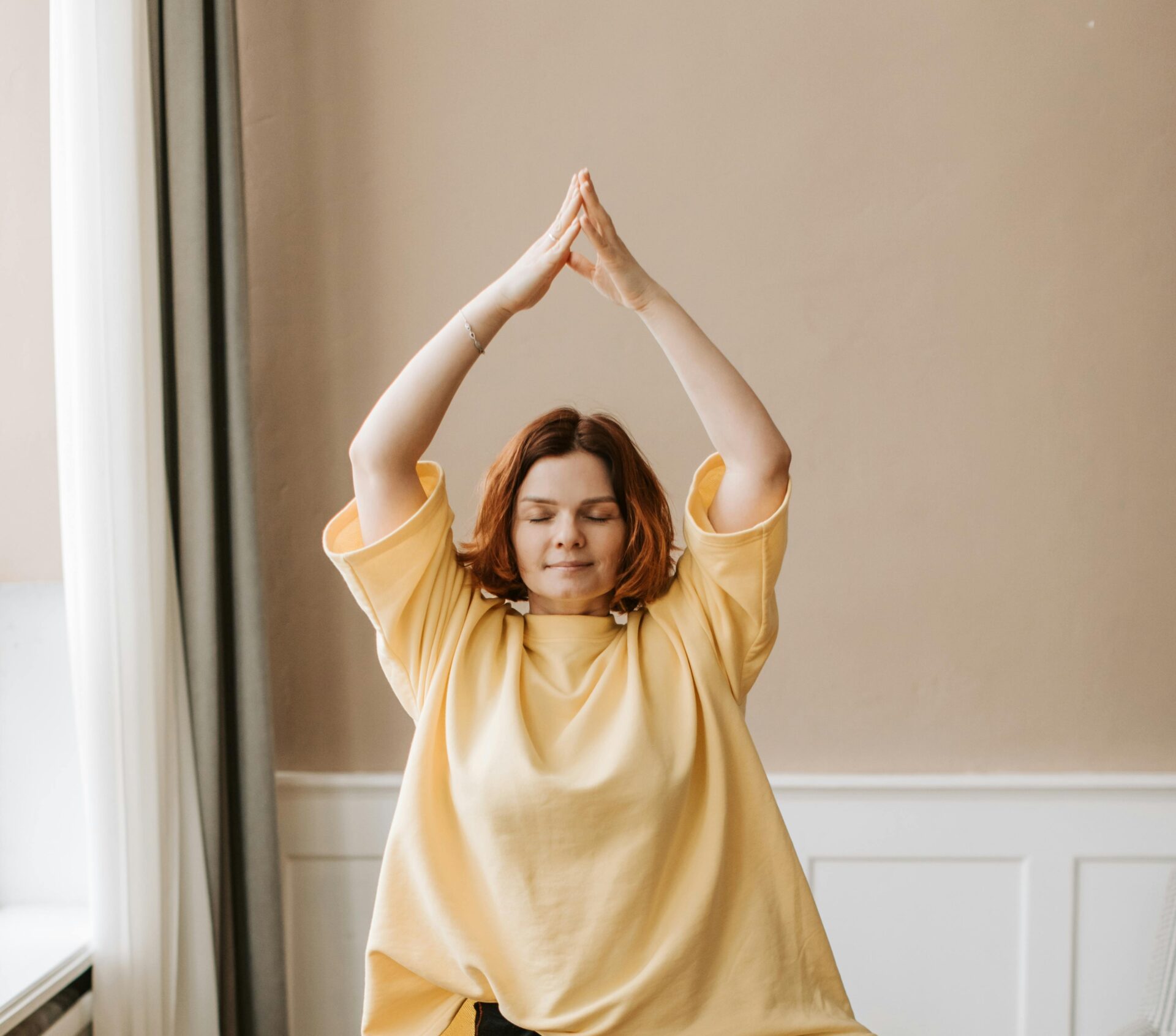
Other asanas that can be included in lymphatic management are: tadasana (palm tree pose), tiryaka tadasana (swaying palm tree pose) and kati chakrasana (waist rotating pose), hastha uthanasana (hand raising poses) akarna dhanurasana (bow and arrow pose), trikonasana (triangle pose), udghatita granthasana (open book pose), surya pushpam (sunflower sequence). 

Marjari-asana (cat stretch pose) should not be done in its original version as you will be applying too much pressure to the swollen arm which exacerbates lymphedema. However, you can still enjoy the benefits of marjari-asana when it is modified and performed in the standing position or sitting on a chair. 

Vipareeta karani (inverted pose) can be done in a variation pose where the student lies in supine position with knees bent and feet resting on a chair. This is also known as the Z lying position which allows excess fluid in the lower limbs to travel back toward the torso where it can be recirculated into the bloodstream. 

Contra-indications: Avoid any weight-bearing positions of the arms such as parvatasana (mountain pose), marjari-asana (cat stretch pose) in the original version, vyagrasana (tiger pose), saral bhujangasana (easy cobra pose), bhujangasana (cobra pose), santolasana (balancing pose), or compression of legs if lymphedema is in the lower limbs such as shashankasana (moon pose) and vajrasana (thunderbolt pose). 

A qualified yoga instructor can suggest alternative variations to some of the above poses either in a standing position or sitting on a chair. 

Managing Stress and Yoga Practices 

Chronic stress weakens the immune system and affects lymphatic flow. Yoga can, however, alleviate stress and manage lymphedema with breathing techniques, pranayama, deep relaxation, especially the Satyananda Yoga Nidra, and meditation practices. 

Awareness on breath 

Conscious diaphragmatic breathing in shavasana (supine position) or in the Z-lying posture before beginning asana practice will stimulate a deep lymphatic flow. Breathing strengthens the diaphragm and its movement, which in turn promotes lymph circulation. It is also important to practice diaphragmatic breathing in between poses as this will lessen the strain on the body when it is moving from one asana to another. 

Apart from conscious diaphragmatic breathing, you can do thoracic and clavicular breathing, as well as full yogic breath at the end of the asana practice. 

Pranayama 

Nadi shodhana (psychic network purification) after asana allows the physical body to cool down and enable the lymphatic vessels to continue to empty. 

Meditation practices 

Kaya sthairyam (stillness of body) is a technique which deepens the awareness of the physical body and leads to body stillness. Antar mouna (inner silence) enables you to witnesses your thoughts, emotions and the patterns of the mind. 

These two meditation techniques were taught to women with breast cancer-related lymphoedema and applied by Annette Louden in her research study. Louden concludes that these practices lead the participants to increased internal awareness where one observes “personal reactions and attitudes, thereby lessening the effects of negative reactivity and may help with acceptance of their current situation. Practices such as these have been shown to improve mood, reduce stress, and improve immune function in cancer patients, as well as facilitate adaptation to changed living circumstances.”1 

Ajapa japa (spontaneous repetition of mantra coordinated with breath). Practice ujjayi breathing and visualise the breath moving between the navel and the throat in the frontal psychic passage and then add the breath mantra soham or hamso translated into I am the universal spirit. 

Yoga nidra 

Provides deep relaxation with elevation of the affected body part to reduce swelling. 

Props such as cushions or blankets can be used for arm elevation. 

Mudra 

Different parts of the body can take on a mudra, for example, the position of the fingers and hands, the position of the tongue or the eyes, or even the posture of the whole body. Mudras direct the prana to different areas of the body creating subtle physical movements which alter one’s mood 

and attitude and deepen one’s awareness and concentration. Through regular practice, mudras establish pranic balance. 

Hridaya mudra (heart gesture) is a hand mudra which diverts the flow of prana from the hands to the heart area improving the health of the heart as an organ. It also helps release any suppressed emotions and can be safely used at any time. It is ideal for those who are going through the different stages of breast cancer. 

Avoid khechari mudra (gesture of the tongue lock) when doing chemotherapy, radiotherapy and hormone therapy, or when taking antibiotics or other strong medicine. Even when a person stops taking these drugs, a period of time needs to pass before they can attempt it. If a bitter secretion in the mouth is felt while performing khechari mudra or a little while afterwards, you must stop immediately because this means there are still toxins in the body which need to be expelled before practicing this mudra. 

Other Tips to keep in mind: 

Stay Hydrated : Lymph is mostly water, so dehydration can slow its flow. 8 glasses of water, or even more daily, will assist your lymphatic flow. Also try drinking herbal teas or lemon water for added benefits 

Eat Lymph-Friendly Foods : A clean diet reduces toxin buildup so focus on: 

  • Fruits & vegetables (citrus, leafy greens, berries)
  • Healthy fats (avocados, nuts, seeds)
  • Lean proteins (chicken, fish, beans)
  • Herbs (ginger, turmeric, dandelion root)

Avoid Toxins & Chemicals : By reducing processed foods and alcohol, using natural skin products and not smoking, the lymphatic system will be optimized. 

Lymphedema can be managed successfully when you implement the above yoga practices into your daily routine. Create a twenty-minute daily yoga practice with the above suggestions and feel the difference not only on a physical level, but a positive shift in your thoughts, emotions and mood. 

satyananda yoga logo

Satyanandashram Hellas

Alithias 1, 19002 Paiania, Greece

PO Box 22, 19002 Paiania, Greece

+306947009660

info@satyanandayoga.gr

Paiania Meditation Center

Dimarchou Iona Vore (former Diadochou Konstantinou) 32, 19002 Paiania

+30 210 6641545, 695 6482415

sycp@satyanandayoga.gr

Athens Meditation Center

Simetelou 2, 115 28, Athens

210 3311178, 694 2974467

syca@satyanandayoga.gr

Thessaloniki Meditation Center

Proxenou Koromila 1, 54623 Thessaloniki

+30 2310 283109

sycs@satyanandayoga.gr

The trademark Satyanandashram Hellas CENTER OF YOGA® is a trademark owned by Satyanandashram Hellas, Greece and used with permission.
The term SATYANANDA YOGA® is a trademark owned by IYFM and used with permission.
Satyananda Yoga Nidra® is a registered trademark of IYFM used with permission.

How you can be part of this beautiful community of service

You are welcome to come and unite in our efforts to help us accomplish our aims and goals. Our association needs people who are ready to offer their hearts, their skills and ideas as well as monetary contributions, and to integrate their ‘head, heart and hands’ in service.

If you consider the needs of others, we need you.
If you have a generous heart, we need you.
Ιf you have large hands, we need you.
If you have bright ideas, we need you.

Your contributions allow us to reach out to more and more people. Your contributions enable us to support and work towards the fulfilment of the vision of Swami Satyananda, Swami Niranjanananda and their lineage  that of peace and prosperity for all humankind.

X

Yoga for Cancer Survivors: A Practice for Lymphedema Relief

Lymphedema is a condition that can develop after breast cancer treatment, particularly following surgery or radiation therapy that affects the lymph nodes. It occurs when lymph fluid builds up in the tissues, instead of flowing freely, leading to swelling, usually in the arm, hand, breast, or chest wall on the side where the cancer was treated. It can appear weeks, months, or even years after breast cancer treatment. The risk is higher if lymph nodes were removed during surgery or if radiation therapy damaged the lymphatic system. 

Symptoms of Lymphedema after Breast Cancer 

  • Swelling in the arm, hand, breast, or chest
  • Tightness or heaviness in the affected area
  • Pain or discomfort
  • Restricted range of motion in the arm or shoulder
  • Skin changes, such as thickening or hardening (fibrosis)
  • Increased risk of infections (cellulitis) in the affected limb
  • Aching or tingling sensation

What is the lymphatic System? 

The lymphatic system is a crucial part of the immune system that helps remove waste, toxins, and excess fluids from the body. Lymph is a clear fluid that carries white blood cells and waste products via a network of tubes throughout the body. In certain parts of the body there are lymph nodes which are small, bean-shaped structures that filter harmful substances (bacteria, viruses and waste) and fight infection before returning the fluid to the bloodstream. Unlike, the circulatory system, the lymphatic system doesn’t have a pump, so it relies on movement and muscle contractions to keep lymph flowing. This is where yoga for breast cancer practices come in! 

Major Lymph Node Areas in the Body and Corresponding Yoga Practices 

Movement is essential to manage lymphedema because muscle contractions help push lymph fluid throughout the body, and especially in the swollen areas where it has built up. 

The key regions where lymph nodes(filters) are located: 

o Neck (Cervical Lymph Nodes) Located on the sides of the neck and under the jaw that help filter infections from the head, throat and sinuses. 

o Armpits (Axillary Lymph Nodes) Found under the arms that drain lymph from the arms, chest, and breasts. 

o Groin (Inguinal Lymph Nodes) Located in the upper inner thigh and filter fluid from the legs, genitals, and lower abdomen. 

o Abdomen & Pelvis (Mesenteric & Pelvic Lymph Nodes) Found deep inside and around the intestines and pelvic organs which help filter waste and fight infections in the gut and reproductive system. 

o Chest (Mediastinal Lymph Nodes) Are near the lungs and heart which filter the lymph from the lungs and respiratory tract. 

o Behind the Knees (Popliteal Lymph Nodes) Located at the back of the knee and drain the lower legs and feet. 

Yoga Asanas: 

A selection of the Pawanmuktasana (PM) series 1, 2 and 3 done slowly and gently with awareness on the breath will aid lymphatic drainage and deepen mental awareness. All the postures in the PM series have a direct affect on the major lymph node areas and assist in lymphatic drainage, reducing swelling, and improving mobility. 

Other asanas that can be included in lymphatic management are: tadasana (palm tree pose), tiryaka tadasana (swaying palm tree pose) and kati chakrasana (waist rotating pose), hastha uthanasana (hand raising poses) akarna dhanurasana (bow and arrow pose), trikonasana (triangle pose), udghatita granthasana (open book pose), surya pushpam (sunflower sequence). 

Marjari-asana (cat stretch pose) should not be done in its original version as you will be applying too much pressure to the swollen arm which exacerbates lymphedema. However, you can still enjoy the benefits of marjari-asana when it is modified and performed in the standing position or sitting on a chair. 

Vipareeta karani (inverted pose) can be done in a variation pose where the student lies in supine position with knees bent and feet resting on a chair. This is also known as the Z lying position which allows excess fluid in the lower limbs to travel back toward the torso where it can be recirculated into the bloodstream. 

Contra-indications: Avoid any weight-bearing positions of the arms such as parvatasana (mountain pose), marjari-asana (cat stretch pose) in the original version, vyagrasana (tiger pose), saral bhujangasana (easy cobra pose), bhujangasana (cobra pose), santolasana (balancing pose), or compression of legs if lymphedema is in the lower limbs such as shashankasana (moon pose) and vajrasana (thunderbolt pose). 

A qualified yoga instructor can suggest alternative variations to some of the above poses either in a standing position or sitting on a chair. 

Managing Stress and Yoga Practices 

Chronic stress weakens the immune system and affects lymphatic flow. Yoga can, however, alleviate stress and manage lymphedema with breathing techniques, pranayama, deep relaxation, especially the Satyananda Yoga Nidra, and meditation practices. 

Awareness on breath 

Conscious diaphragmatic breathing in shavasana (supine position) or in the Z-lying posture before beginning asana practice will stimulate a deep lymphatic flow. Breathing strengthens the diaphragm and its movement, which in turn promotes lymph circulation. It is also important to practice diaphragmatic breathing in between poses as this will lessen the strain on the body when it is moving from one asana to another. 

Apart from conscious diaphragmatic breathing, you can do thoracic and clavicular breathing, as well as full yogic breath at the end of the asana practice. 

Pranayama 

Nadi shodhana (psychic network purification) after asana allows the physical body to cool down and enable the lymphatic vessels to continue to empty. 

Meditation practices 

Kaya sthairyam (stillness of body) is a technique which deepens the awareness of the physical body and leads to body stillness. Antar mouna (inner silence) enables you to witnesses your thoughts, emotions and the patterns of the mind. 

These two meditation techniques were taught to women with breast cancer-related lymphoedema and applied by Annette Louden in her research study. Louden concludes that these practices lead the participants to increased internal awareness where one observes “personal reactions and attitudes, thereby lessening the effects of negative reactivity and may help with acceptance of their current situation. Practices such as these have been shown to improve mood, reduce stress, and improve immune function in cancer patients, as well as facilitate adaptation to changed living circumstances.”1 

Ajapa japa (spontaneous repetition of mantra coordinated with breath). Practice ujjayi breathing and visualise the breath moving between the navel and the throat in the frontal psychic passage and then add the breath mantra soham or hamso translated into I am the universal spirit. 

Yoga nidra 

Provides deep relaxation with elevation of the affected body part to reduce swelling. 

Props such as cushions or blankets can be used for arm elevation. 

Mudra 

Different parts of the body can take on a mudra, for example, the position of the fingers and hands, the position of the tongue or the eyes, or even the posture of the whole body. Mudras direct the prana to different areas of the body creating subtle physical movements which alter one’s mood 

and attitude and deepen one’s awareness and concentration. Through regular practice, mudras establish pranic balance. 

Hridaya mudra (heart gesture) is a hand mudra which diverts the flow of prana from the hands to the heart area improving the health of the heart as an organ. It also helps release any suppressed emotions and can be safely used at any time. It is ideal for those who are going through the different stages of breast cancer. 

Avoid khechari mudra (gesture of the tongue lock) when doing chemotherapy, radiotherapy and hormone therapy, or when taking antibiotics or other strong medicine. Even when a person stops taking these drugs, a period of time needs to pass before they can attempt it. If a bitter secretion in the mouth is felt while performing khechari mudra or a little while afterwards, you must stop immediately because this means there are still toxins in the body which need to be expelled before practicing this mudra. 

Other Tips to keep in mind: 

Stay Hydrated : Lymph is mostly water, so dehydration can slow its flow. 8 glasses of water, or even more daily, will assist your lymphatic flow. Also try drinking herbal teas or lemon water for added benefits 

Eat Lymph-Friendly Foods : A clean diet reduces toxin buildup so focus on: 

  • Fruits & vegetables (citrus, leafy greens, berries)
  • Healthy fats (avocados, nuts, seeds)
  • Lean proteins (chicken, fish, beans)
  • Herbs (ginger, turmeric, dandelion root)

Avoid Toxins & Chemicals : By reducing processed foods and alcohol, using natural skin products and not smoking, the lymphatic system will be optimized. 

Lymphedema can be managed successfully when you implement the above yoga practices into your daily routine. Create a twenty-minute daily yoga practice with the above suggestions and feel the difference not only on a physical level, but a positive shift in your thoughts, emotions and mood.