


Curious about what yogic breathing is? Learn about some of the different types of yogic breathing techniques and their tremendous benefits.
What is pranayama?
The practices of yogic breathing have been known and performed in India for more than four thousand years. We find them mentioned in ancient texts such as the Bhagavad Gita and the Upanishads. These practices were handed down through oral tradition and between the sixth - fifteenth centuries were written down in detail by the great rishis of that time. Today pranayama is a household name, and the practices, even if they are given other more Western names, are still the same ancient techniques used thousands of years ago.
So, what is pranayama? It is an entire science that enables the practitioner to understand prana (the vital energy that sustains all life), and to guide it throughout the body by either expanding it or restraining it. How do we do this? By using the breath and guiding our respiration beyond its normal limits; we can stretch it, speed it up or slow it down. We need to remember that pranayama is not breath control but the medium of pranayama is the breath. The breath is used to access the pranic field, otherwise known as the energy field. It is the prana, (the life force) which is also known as Chi in Chinese traditional medicine, that is being accessed here and the vehicle through which this happens is the breath.
What types of yogic breathing are there?
There are countless yogic breathing techniques some of which you can find in the highly acclaimed yoga textbook written by Sri Swami Satyananda Saraswati titled Asana, Pranayama, Mudra, Bandha. Another invaluable textbook which presents a clear, simple and yet profound explanation on this science is Prana and Pranayama by Swami Niranjananada Saraswati. It is important, however, that you practice with a certified yoga instructor because there can be contra-indications with these practices depending on each person's health condition.
Now let's look at some of the most popular ones.

Yogic Breathing: abdominal, thoracic and clavicular
In the Satyananda System of Yoga, we begin with breath awareness and merely observe the way we breathe becoming familiar with our own breath. Just by becoming aware of the breath brings you into the present moment.
One is then systematically guided to conscious breathing, first with controlled abdominal, then thoracic and finally clavicular breathing. Each of these techniques is mastered and then combined to produce full yogic breathing. The benefits of yogic breathing are enormous: the diaphragm, abdominal muscles, intercoastal muscles and upper chest muscles are exercised, more oxygen is made available for gas exchange with the blood, and poor breathing habits are corrected.
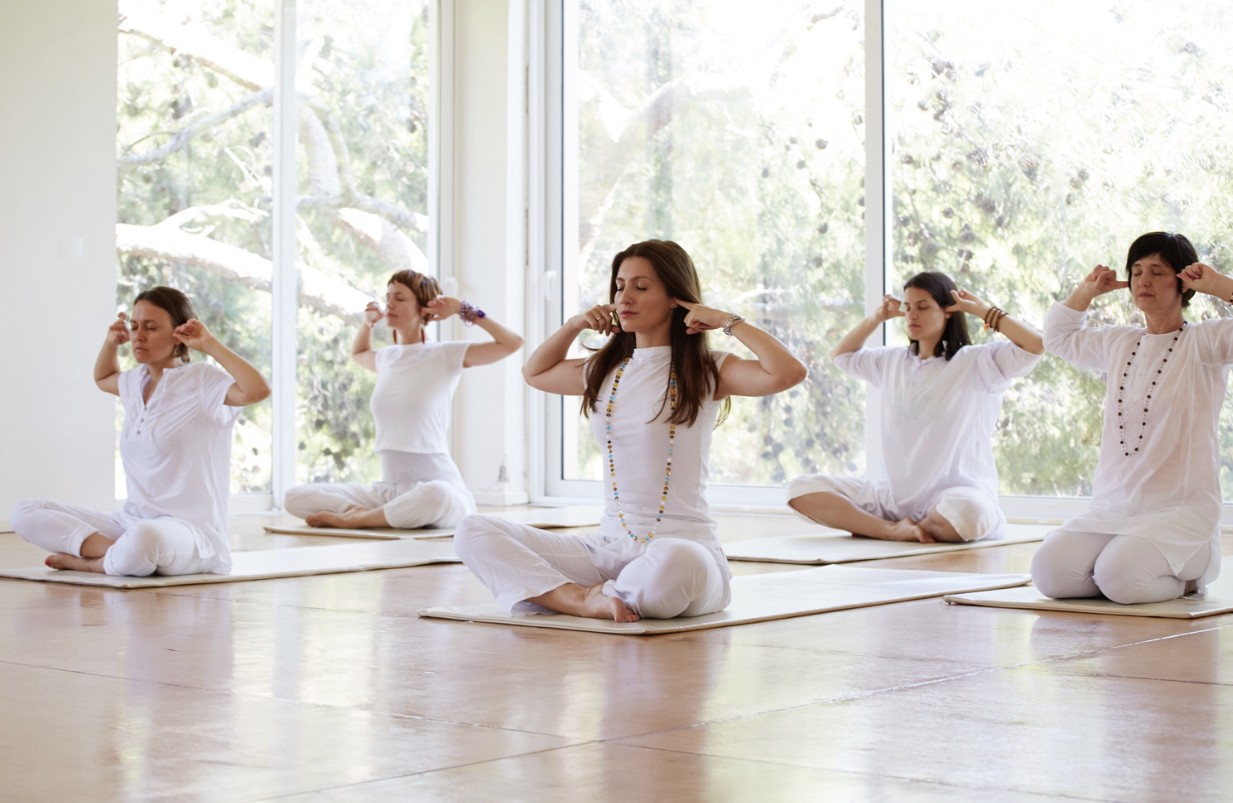
Bhramari pranayama: the humming of the black bee
This is a beautiful tranquilizing technique which has many stages and variations that soothe the mind and the nervous system, relieve stress, anxiety and insomnia, and enhance memory and concentration. As you focus on the humming sound in different parts of the body it induces a meditative state by harmonizing the mind and directing the awareness inwards. It is also used to speed up the healing of body tissue after surgery and is helpful during pregnancy and childbirth.
Bhastrika pranayama: bellows breath
An activating pranayama, bhastrika in Sanskrit means the bellows used to pump fire. In this practice, the diaphragm imitates a pair of bellows which fan the internal fire creating physical, pranic and psychic heat. This practice stimulates the metabolic rate producing heat and flushing out wastes and toxins while at the same time massaging and stimulating the visceral organs, and toning the digestive system. It helps alleviate inflammation in the throat and any accumulation of phlegm and reduces the amount of carbon dioxide in the blood. As well as all this, it balances and strengthens the nervous system inducing peace, tranquillity and one-pointedness of mind in preparation for meditation. From an Ayurvedic perspective, it balances the doshas (humours in the body); kapha phlegm, pitta bile and vata wind.
Nadi shodhana pranayama: alternate nostril breathing
This balancing pranayama technique is very popular in yoga classes and there are many variations. In the Satyananda System of Yoga, there are various levels the practitioner goes through, reaching very advanced techniques which always need to be done with an experienced yoga teacher. It is a practice where the pranic channels (nadis) are purified and regulated by removing energy blocks allowing the prana to flow thereby restoring equilibrium in the physical body and mind. An increase in vitality is experienced as more oxygen flows to all parts of the body while carbon dioxide is more efficiently removed from the body purifying it of toxins. Stress and anxiety are also greatly reduced. The sympathetic and parasympathetic nervous systems are balanced so as to better handle life’s situations and when done on a regular basis, it can awaken the chakras so that they are utilized to their full potential.
So, the benefits you get from practicing yogic breathing and pranayama are indeed innumerable not just on the physical and mental levels but also the psychological enabling the practitioner to live a happier, healthier and more harmonious life.